
 Emily Carter

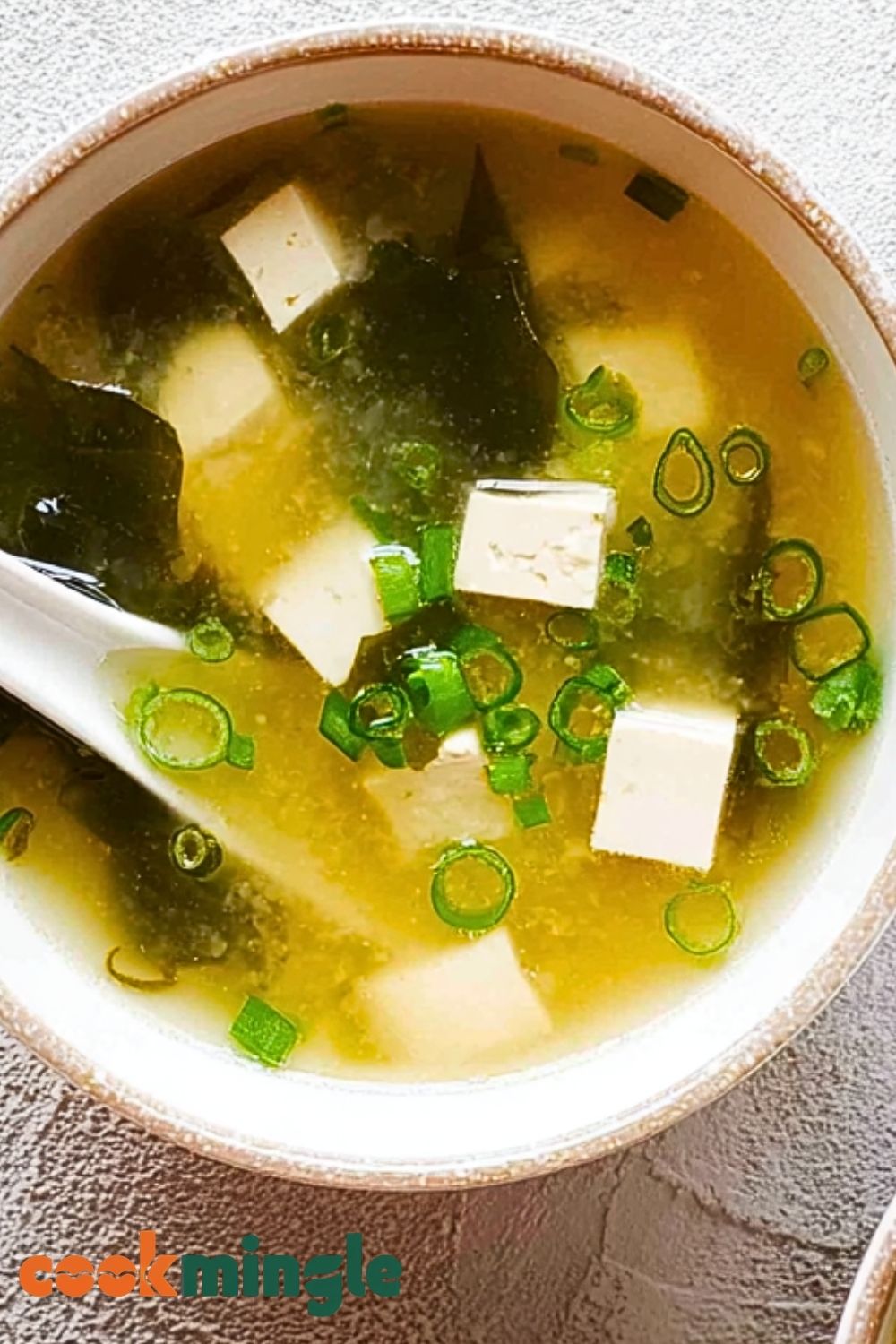
A warm bowl of miso soup is one of the most comforting and nourishing dishes you can make in minutes. With its savory umami base, silky tofu cubes, soft seaweed, and subtle aroma of green onions, this traditional Japanese soup brings together simple ingredients in a deeply satisfying way. Whether you’re starting your morning with something light or pairing it with your favorite Asian meal, miso soup always hits the right note.
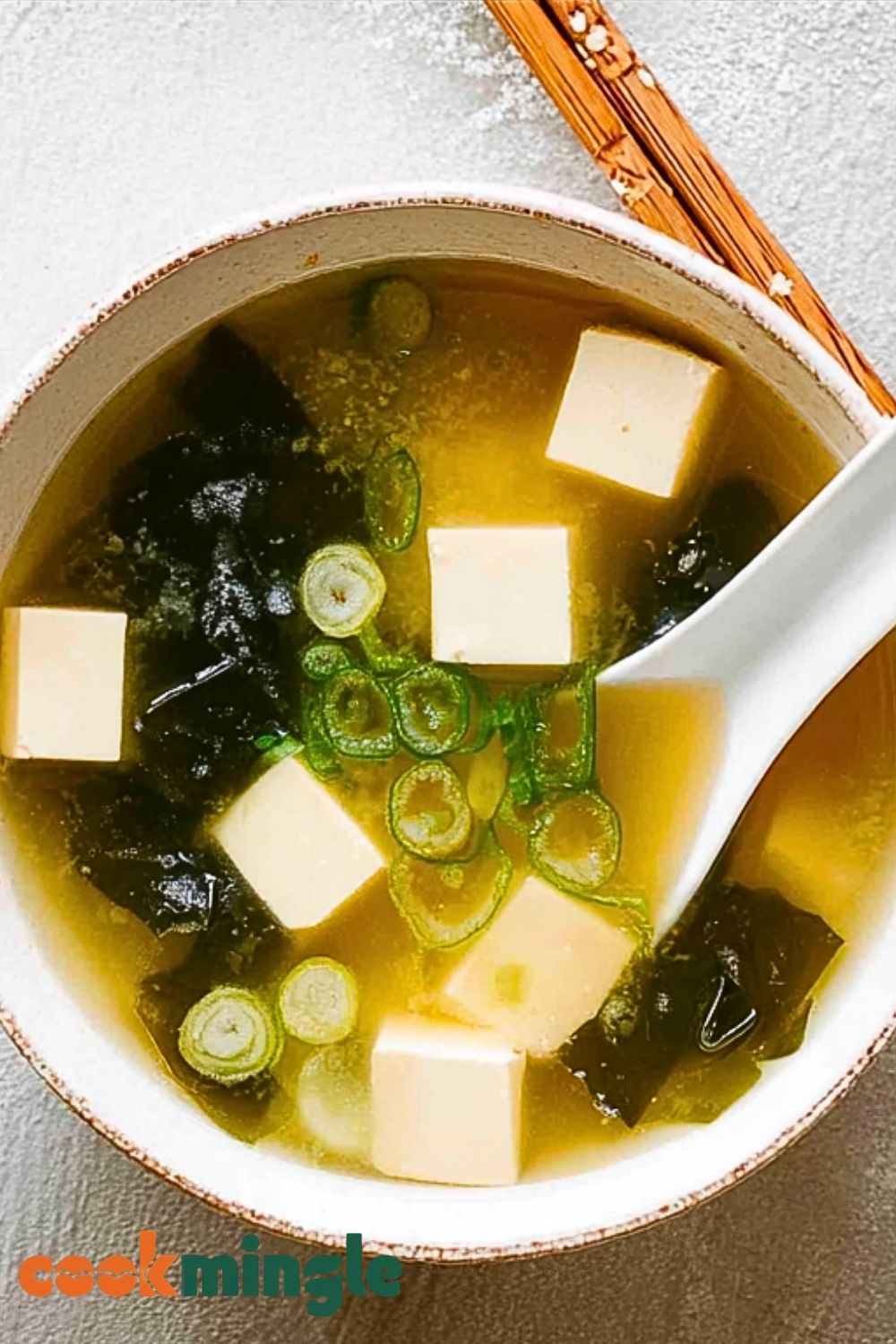
What makes this dish truly special is how easy it is to prepare while maintaining its authentic flavor. Using Japanese pantry staples like dashi and miso paste, this recipe requires minimal prep and cook time—yet the taste is rich and well-balanced. It’s naturally plant-based, light on calories, and packed with nutrients, making it a perfect choice for a quick breakfast, a healthy snack, or a dinner side.
Why You’ll Love This Miso Soup
- Quick & Easy: Ready in under 15 minutes from start to finish.
- Authentic Flavor: Uses traditional Japanese ingredients for a classic taste.
- Healthy & Light: Low in calories, yet rich in flavor and nutrients.
- Customizable: Add mushrooms, noodles, or greens to make it heartier.
- Great Anytime: Perfect as a starter, side dish, or a light meal.
Preparation Phase & Tools to Use
To make miso soup, you’ll need just a few essential kitchen tools:
- Medium Saucepan: This is where you’ll heat the dashi and cook the soup. A saucepan with a spout is ideal for easy pouring.
- Fine Mesh Strainer or Ladle with a Spoon: Miso paste should not be boiled directly. You dissolve it in a ladle or strainer with hot broth before stirring it into the soup.
- Chopping Board & Knife: For cutting tofu and slicing green onions.
- Measuring Spoons: To portion the miso paste and dried seaweed correctly.
Each tool ensures the soup maintains its texture and delicate flavors without overcooking or overmixing the ingredients.
Preparation Tips
When making miso soup, the most important tip is to never boil the miso paste. High heat destroys its probiotics and changes its flavor. Instead, turn off the heat and gently dissolve the miso into the warm broth using a ladle or mesh strainer. If you’re using dried wakame seaweed, remember it expands significantly in water, so start with a small amount. For the tofu, opt for silken or soft tofu for that smooth mouthfeel, and cut it into small, uniform cubes to keep the texture consistent throughout the bowl. Lastly, use freshly sliced green onions and add them at the end to preserve their crunch and color.
Ingredients for This Miso Soup
- 4 cups dashi broth (kombu + bonito flakes or instant dashi granules)
- 3 tablespoons white miso paste (shiro miso)
- 1/2 cup cubed soft or silken tofu
- 1 tablespoon dried wakame seaweed
- 2 tablespoons thinly sliced green onions (scallions)
- Optional: mushrooms (shiitake or enoki), baby spinach, sesame seeds
Step 1: Prepare the Dashi Broth
If you’re using instant dashi granules, dissolve them in 4 cups of hot water according to package instructions. For a more traditional broth, steep a piece of kombu (dried kelp) in water, bring it just to a boil, remove the kombu, then add bonito flakes. Let them steep briefly, then strain for a clear, umami-rich broth.
Step 2: Soak the Wakame
Place 1 tablespoon of dried wakame seaweed in a small bowl of water and let it rehydrate for about 5 minutes. It will expand to several times its size. Drain and set aside.
Step 3: Cube the Tofu
Carefully cut the soft or silken tofu into small, bite-sized cubes. Be gentle to avoid breaking it. Set aside while your broth heats.
Step 4: Heat the Dashi
Pour your prepared dashi broth into a medium saucepan and bring it to a gentle simmer over medium heat. Do not boil.
Step 5: Add the Tofu and Wakame
Gently add the tofu cubes and soaked wakame into the simmering broth. Let them warm through for 2–3 minutes without stirring too much to avoid breaking the tofu.
Step 6: Dissolve the Miso Paste
Turn off the heat. Add the miso paste to a ladle, lower the ladle into the hot broth, and stir the miso with chopsticks or a spoon until it fully dissolves. Then stir the dissolved miso into the rest of the soup. Do not boil after adding miso.
Step 7: Finish with Green Onions
Sprinkle sliced green onions into the pot just before serving. This keeps them fresh, bright, and crunchy.
Step 8: Serve and Enjoy
Ladle the soup into bowls and serve warm. Miso soup is best enjoyed fresh, but it can also be paired with rice, gyoza, or a variety of Japanese dishes for a full meal.
Notes
Miso soup is highly versatile, and its flavor deepens with quality ingredients. Use authentic Japanese white miso for a mild, sweet taste or mix in a bit of red miso for a stronger umami kick. You can also enhance it by adding extras like sliced shiitake mushrooms, baby spinach, or a soft-boiled egg for a more filling version. Always dissolve miso gently in hot broth rather than boiling it directly, as this maintains its probiotic benefits and avoids bitterness.
Watch Out for These Mistakes While Cooking
- Boiling the miso paste: This is the most common error that kills flavor and probiotics. Always dissolve miso off the heat.
- Using too much wakame: A small amount goes a long way. Too much makes the soup overly chewy and salty.
- Breaking the tofu: Soft tofu needs gentle handling—avoid stirring the soup vigorously after it’s added.
- Skipping quality dashi: Instant dashi works in a pinch, but fresh kombu-bonito dashi brings unmatched depth.
Storage Instructions
Miso soup is best enjoyed fresh, but it can be stored in the refrigerator for up to 2 days. Reheat gently over low heat without boiling to preserve the miso’s integrity. If possible, store the tofu separately and add it when reheating to maintain texture. Avoid freezing, as tofu and seaweed can change texture after thawing.
Estimated Nutrition
Serving size: 1 bowl (approx. 1 cup)
- Calories: 65 kcal
- Protein: 5 g
- Fat: 2.5 g
- Saturated Fat: 0.4 g
- Carbohydrates: 5 g
- Fiber: 1 g
- Sugar: 1 g
- Sodium: 680 mg
Frequently Asked Questions
Can I use red miso instead of white miso?
Yes, but keep in mind red miso has a stronger, saltier flavor. You can also mix both types for a balanced taste.
Is miso soup vegan?
Traditional dashi includes bonito (fish flakes), so it’s not vegan by default. Use kombu and shiitake dashi for a fully plant-based version.
Can I make this soup ahead of time?
You can prepare the dashi in advance and store it in the fridge. Add miso and tofu just before serving for the best texture and flavor.
What kind of tofu is best for miso soup?
Silken or soft tofu is traditional, but you can use firm tofu if you prefer more bite and less breakage.
Can I add noodles or rice to miso soup?
Absolutely! Ramen noodles, udon, or a spoonful of cooked rice can make it a heartier meal.
Is it okay to reheat miso soup?
Yes, but reheat gently without boiling. High heat will degrade the taste and nutritional value of miso.
What does miso soup taste like?
It has a savory, slightly salty, umami-rich flavor with smooth tofu, tender seaweed, and refreshing green onions.
Where can I find miso paste and wakame?
Look in the international or Asian section of most supermarkets, or visit a local Asian grocery store. They’re also available online.
Conclusion
Easy & Authentic Miso Soup is one of those timeless dishes that brings both simplicity and depth to the table. Whether you enjoy it on a chilly morning or as a light evening starter, its clean flavors, healthy ingredients, and quick preparation make it a must-have in your weekly meal rotation. Try it once, and it might just become your go-to comfort soup.
Easy & Authentic Miso Soup
- Total Time: 15 minutes
- Yield: 2 servings
- Diet: Vegetarian
Description
Warm, nourishing, and deeply satisfying, this Easy & Authentic Miso Soup is a go-to dish for busy weeknights, light breakfasts, or anytime you crave comfort in a bowl. With savory umami-rich dashi, soft tofu, tender wakame seaweed, and fresh green onions, it’s a traditional Japanese favorite that’s both fast and flavorful. Whether you’re searching for quick breakfast ideas, healthy snack options, or easy dinner recipes, this miso soup delivers clean, wholesome goodness in under 15 minutes.
Ingredients
4 cups dashi broth
3 tablespoons white miso paste
1/2 cup cubed soft or silken tofu
1 tablespoon dried wakame seaweed
2 tablespoons thinly sliced green onions
Instructions
1. Prepare the dashi broth using either instant granules or traditional kombu and bonito flakes.
2. Soak 1 tablespoon of wakame in water for 5 minutes until rehydrated, then drain.
3. Cut the tofu into small cubes and set aside.
4. In a saucepan, bring the dashi to a gentle simmer over medium heat.
5. Add the tofu and wakame, and let them warm through for 2–3 minutes.
6. Turn off the heat and dissolve the miso paste in a ladle of hot broth, then stir it into the soup.
7. Sprinkle with sliced green onions just before serving.
8. Serve warm and enjoy immediately for the best flavor.
Notes
Never boil the miso after adding it to preserve flavor and probiotics.
A small amount of wakame expands a lot—use sparingly.
Add extras like mushrooms or noodles to make it heartier without losing the authentic taste.
- Prep Time: 5 minutes
- Cook Time: 10 minutes
- Category: Soup
- Method: Stovetop
- Cuisine: Japanese
Nutrition
- Serving Size: 1 bowl
- Calories: 65
- Sugar: 1g
- Sodium: 680mg
- Fat: 2.5g
- Saturated Fat: 0.4g
- Unsaturated Fat: 1.8g
- Trans Fat: 0g
- Carbohydrates: 5g
- Fiber: 1g
- Protein: 5g
- Cholesterol: 0mg