
 Emily Carter

Golden, buttery, and beautifully crisp — this Flaky Sourdough Discard Pie Crust is a brilliant way to elevate any pie while reducing waste in your kitchen. The sourdough discard imparts a subtle tang and added depth of flavor to the crust, transforming your typical pastry into something uniquely delicious. Whether you’re baking a sweet fruit pie or a savory quiche, this crust creates a melt-in-your-mouth experience that’s flaky on the outside and tender within.
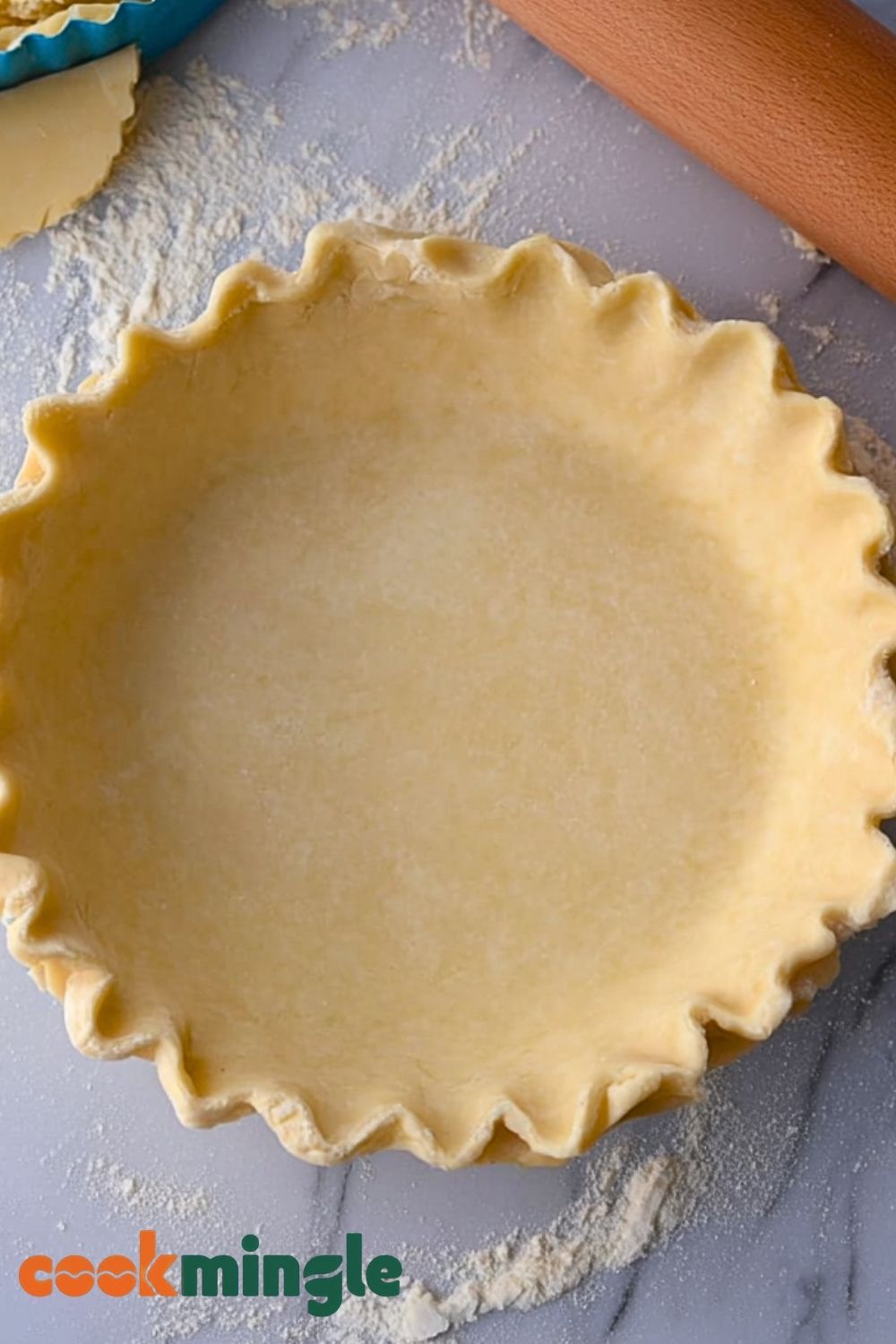
Perfect for seasoned bakers or anyone experimenting with sourdough, this recipe makes the most of that leftover discard sitting in your fridge. With just a few simple ingredients and some thoughtful technique, you’ll craft a crust that outshines anything store-bought. It’s a sustainable and flavorful twist on a classic baking essential that’s sure to become a staple in your kitchen.
Why You’ll Love This Flaky Sourdough Discard Pie Crust
- It puts your sourdough discard to good use, reducing food waste.
- Incredibly flaky and tender texture thanks to the perfect fat-to-flour ratio.
- Versatile enough for both sweet and savory pies.
- Adds a mild tang that enhances rather than overwhelms the pie filling.
- Easy to prepare and can be made ahead or frozen for later use.
Preparation Phase & Tools to Use
Before diving into the mixing, make sure you’ve got everything on hand. The key tools include:
- Mixing bowl: A large bowl allows room to cut in the butter without spilling flour.
- Pastry cutter or food processor: Essential for blending the fat into the flour for that perfect flaky texture.
- Rolling pin: Needed to roll out the dough evenly.
- Plastic wrap or parchment paper: For chilling and resting the dough before rolling.
- Pie dish: Use a 9-inch dish — ceramic or glass works best for even baking.
- Bench scraper: Handy for transferring dough and minimizing sticking.
Each of these tools plays a role in making the crust tender, flaky, and easy to handle from start to finish.
Preparation Tips
Use cold ingredients — that means chilled butter, cold sourdough discard, and ice water — to ensure the fat stays in small pockets throughout the dough, creating that irresistible flakiness. Don’t overwork the dough; just bring it together until it holds. Let it rest in the fridge for at least 1 hour before rolling to relax the gluten and prevent shrinking. Dust your work surface and rolling pin with flour to avoid sticking, and always roll from the center outwards for a uniform thickness. When crimping the edges, press gently and evenly for a polished look.
Ingredients for this Flaky Sourdough Discard Pie Crust
- 1 1/4 cups (150g) all-purpose flour
- 1/2 tsp fine sea salt
- 1 tbsp granulated sugar (optional, for sweet pies)
- 1/2 cup (113g) unsalted butter, cold and cut into small cubes
- 1/2 cup (120g) sourdough discard, cold
- 2–4 tbsp ice water, as needed
- Extra flour for rolling out the dough
Optional:
- 1 tsp apple cider vinegar or lemon juice (helps with tenderness)
Step 1: Combine Dry Ingredients
In a large mixing bowl, whisk together the all-purpose flour, salt, and sugar (if using). This evenly distributes the seasoning and breaks up any lumps, ensuring your crust has consistent flavor throughout.
Step 2: Cut in the Butter
Add the cold, cubed butter to the flour mixture. Using a pastry cutter or your fingers, cut the butter into the flour until the mixture resembles coarse crumbs with some pea-sized pieces remaining. These small pockets of fat will help create that signature flaky texture when baked.
Step 3: Add Sourdough Discard
Pour in the cold sourdough discard and stir gently with a fork or spatula to combine. It will begin to form a shaggy dough. If the mixture is too dry and crumbly, add ice water 1 tablespoon at a time just until the dough starts to come together — avoid over-hydrating.
Step 4: Bring the Dough Together
Transfer the dough onto a lightly floured surface. Gently press and shape it into a cohesive ball, then flatten it into a disc about 1 inch thick. Don’t knead it — you want to handle the dough as little as possible to keep it tender.
Step 5: Chill the Dough
Wrap the dough disc tightly in plastic wrap or parchment paper and refrigerate for at least 1 hour (or up to 2 days). This rest time allows the gluten to relax and the fats to firm up, which helps prevent shrinking during baking.
Step 6: Roll Out the Dough
Lightly flour your work surface and rolling pin. Roll the chilled dough into a 12-inch circle, about 1/8 inch thick. If the dough cracks at the edges, just pinch it back together gently. Work quickly to keep the butter from melting.
Step 7: Fit Into Pie Dish
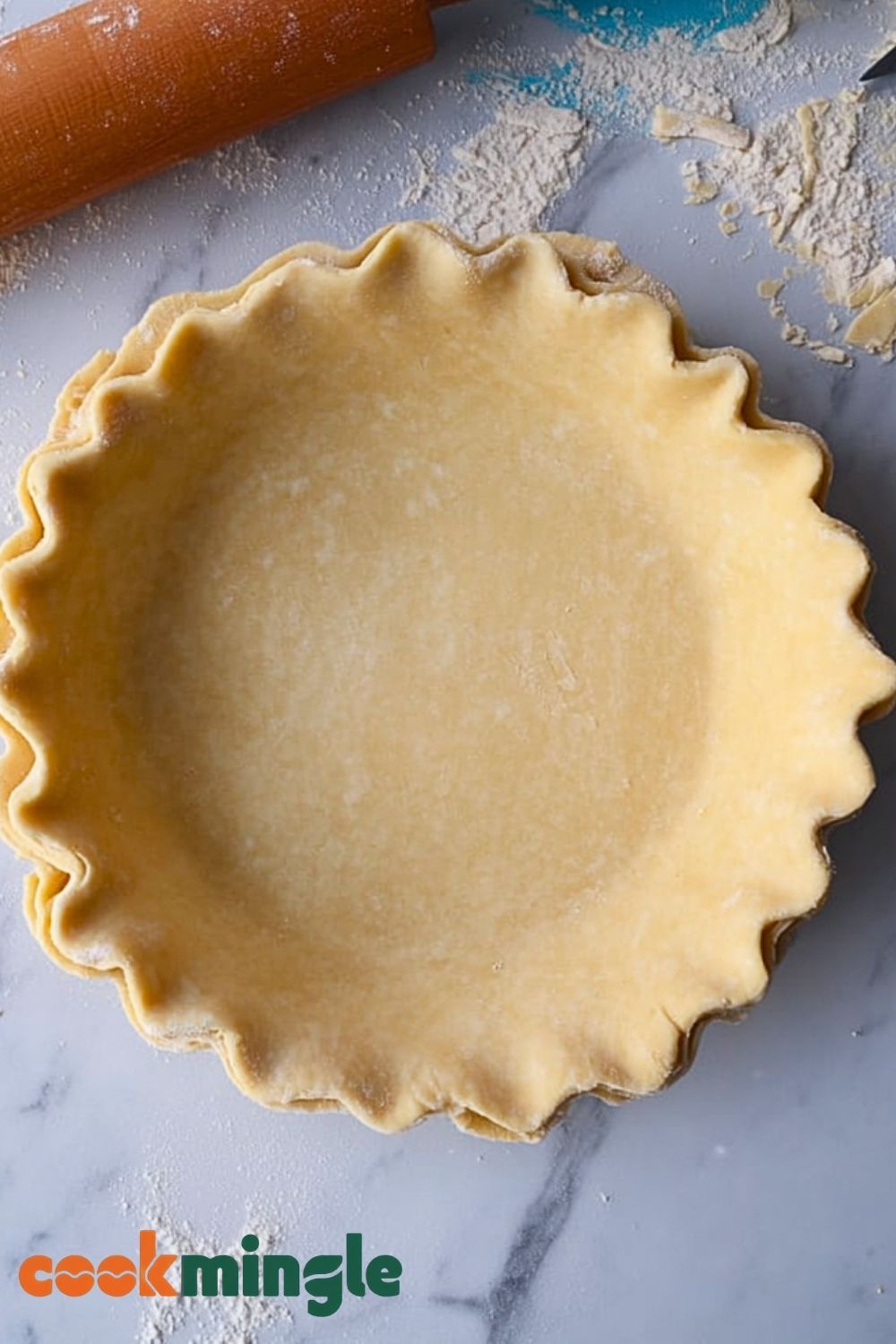
Transfer the rolled-out dough to your 9-inch pie dish by loosely rolling it around your rolling pin, then unrolling it over the dish. Gently press the dough into the bottom and up the sides without stretching it. Trim any excess overhang to about 1 inch.
Step 8: Crimp the Edges
Tuck the excess dough under itself along the rim to create a thick border, then use your fingers or a fork to crimp the edges. This not only looks beautiful but also helps the crust hold its shape.
Step 9: Chill Again Before Baking
Place the shaped crust in the refrigerator for at least 15–30 minutes before baking. This final chill helps prevent shrinking and keeps the crimped edges intact.
Step 10: Bake or Blind Bake as Needed
For a fully baked crust (e.g., for cream pies), line the chilled crust with parchment paper and fill with pie weights. Bake at 375°F (190°C) for 15 minutes, remove weights, then bake for another 10–15 minutes until golden. For a filled pie, follow your specific recipe’s instructions.
Notes
This sourdough discard pie crust can be adapted to many flavor profiles — add a pinch of herbs for savory pies or a touch of cinnamon for sweet ones. The discard should be unfed and cold, straight from the fridge, to ensure the right consistency. If you prefer a richer crust, you can substitute part of the butter with shortening. Additionally, the dough freezes beautifully, so consider doubling the recipe to have a backup crust on hand.
Watch Out for These Mistakes While Cooking
- Overmixing the dough: This develops gluten, making the crust tough rather than flaky.
- Using warm ingredients: Cold butter and discard are crucial to maintaining structure and flakiness.
- Skipping chill time: Resting the dough prevents shrinking and makes it easier to handle.
- Stretching the dough into the pan: This causes it to pull back during baking.
- Forgetting to dock or use weights when blind baking: Leads to puffed-up crusts with uneven surfaces.
Storage Instructions
Wrap unused or extra dough tightly in plastic wrap and store it in the fridge for up to 2 days. For longer storage, freeze the dough disc for up to 3 months — thaw overnight in the fridge before rolling. Baked pie shells can also be wrapped and frozen for later use. If storing a filled pie made with this crust, follow the filling’s storage instructions but expect the crust to hold its structure well when refrigerated.
Estimated Nutrition (per serving, based on 1/8 of crust)
- Calories: 190
- Total Fat: 14g
- Saturated Fat: 9g
- Trans Fat: 0g
- Unsaturated Fat: 5g
- Cholesterol: 38mg
- Sodium: 110mg
- Carbohydrates: 15g
- Fiber: 1g
- Sugar: <1g
- Protein: 2g
Frequently Asked Questions
What is sourdough discard?
Sourdough discard is the portion of sourdough starter that’s removed before feeding. It’s unfed and often considered waste, but it can be used in recipes like this to add flavor.
Does this crust taste sour?
Not at all. The discard adds a slight tang but blends smoothly with the butter for a well-rounded flavor.
Can I make this crust ahead of time?
Yes! You can refrigerate the dough for up to 2 days or freeze it for up to 3 months.
Can I use whole wheat flour instead?
You can substitute up to 50% with whole wheat flour for a nuttier flavor, but the texture may be slightly less tender.
Is this crust suitable for savory pies?
Absolutely. Simply omit the sugar and pair it with quiches, pot pies, or tarts.
How do I know when the crust is done baking?
It should be golden brown, crisp to the touch, and slightly pulling away from the edges of the pan.
Can I use shortening instead of butter?
Yes. For an extra flaky crust, try a mix of half butter and half shortening.
What if I don’t have a pastry cutter?
Use your fingertips or two knives in a crisscross motion to cut the butter into the flour.
Conclusion
This Flaky Sourdough Discard Pie Crust is more than a way to reduce waste — it’s an upgrade to any pie recipe. With its light, crisp layers and subtle depth of flavor, it brings a rustic, homemade charm that shines in both sweet and savory dishes. Once you master the basic technique, you’ll find yourself coming back to this crust again and again. It’s not just practical — it’s downright delicious.
Flaky Sourdough Discard Pie Crust
- Total Time: 50 minutes
- Yield: 1 standard 9-inch pie crust
- Diet: Vegetarian
Description
Crispy, golden, and irresistibly tender — this Flaky Sourdough Discard Pie Crust is the perfect solution for anyone looking to elevate their baking game while using up sourdough discard. It’s a flavorful and sustainable way to create the ultimate crust for your sweet and savory pies. Whether you’re hunting for easy dinner ideas, a quick breakfast tart base, or just a solid easy recipe to keep in your rotation, this crust delivers. It bakes up beautifully crisp with layers of buttery goodness and a hint of tang from the discard — ideal for anyone who loves wholesome food ideas without compromising flavor.
Ingredients
1 1/4 cups all-purpose flour
1/2 teaspoon fine sea salt
1 tablespoon granulated sugar
1/2 cup unsalted butter, cold and cubed
1/2 cup sourdough discard, cold
2 to 4 tablespoons ice water
1 teaspoon apple cider vinegar or lemon juice (optional)
Extra flour for rolling
Instructions
1. In a large bowl, whisk together flour, salt, and sugar (if using).
2. Add cold butter and cut it into the flour using a pastry cutter or fingertips until mixture resembles coarse crumbs.
3. Stir in cold sourdough discard and mix gently until a shaggy dough forms.
4. If dough is too dry, add ice water 1 tablespoon at a time just until it comes together.
5. Turn dough onto a lightly floured surface and press into a flat disc.
6. Wrap in plastic wrap and chill in the fridge for at least 1 hour.
7. Roll the dough on a floured surface into a 12-inch circle about 1/8 inch thick.
8. Gently transfer it to a 9-inch pie dish and press it in without stretching.
9. Trim excess dough to 1 inch overhang and crimp edges as desired.
10. Chill the shaped crust for another 15–30 minutes.
11. For a pre-baked shell, line with parchment and add pie weights.
12. Bake at 375°F (190°C) for 15 minutes, remove weights, and bake 10–15 more until golden.
Notes
Always use cold butter and discard for the flakiest texture.
Resting the dough in the fridge prevents shrinking and improves workability.
You can freeze this dough for up to 3 months for easy prep ahead.
- Prep Time: 20 minutes
- Cook Time: 30 minutes
- Category: Baking
- Method: Mixing and rolling
- Cuisine: American
Nutrition
- Serving Size: 1 slice (1/8 crust)
- Calories: 190
- Sugar: <1g
- Sodium: 110mg
- Fat: 14g
- Saturated Fat: 9g
- Unsaturated Fat: 5g
- Trans Fat: 0g
- Carbohydrates: 15g
- Fiber: 1g
- Protein: 2g
- Cholesterol: 38mg