
 Emily Carter
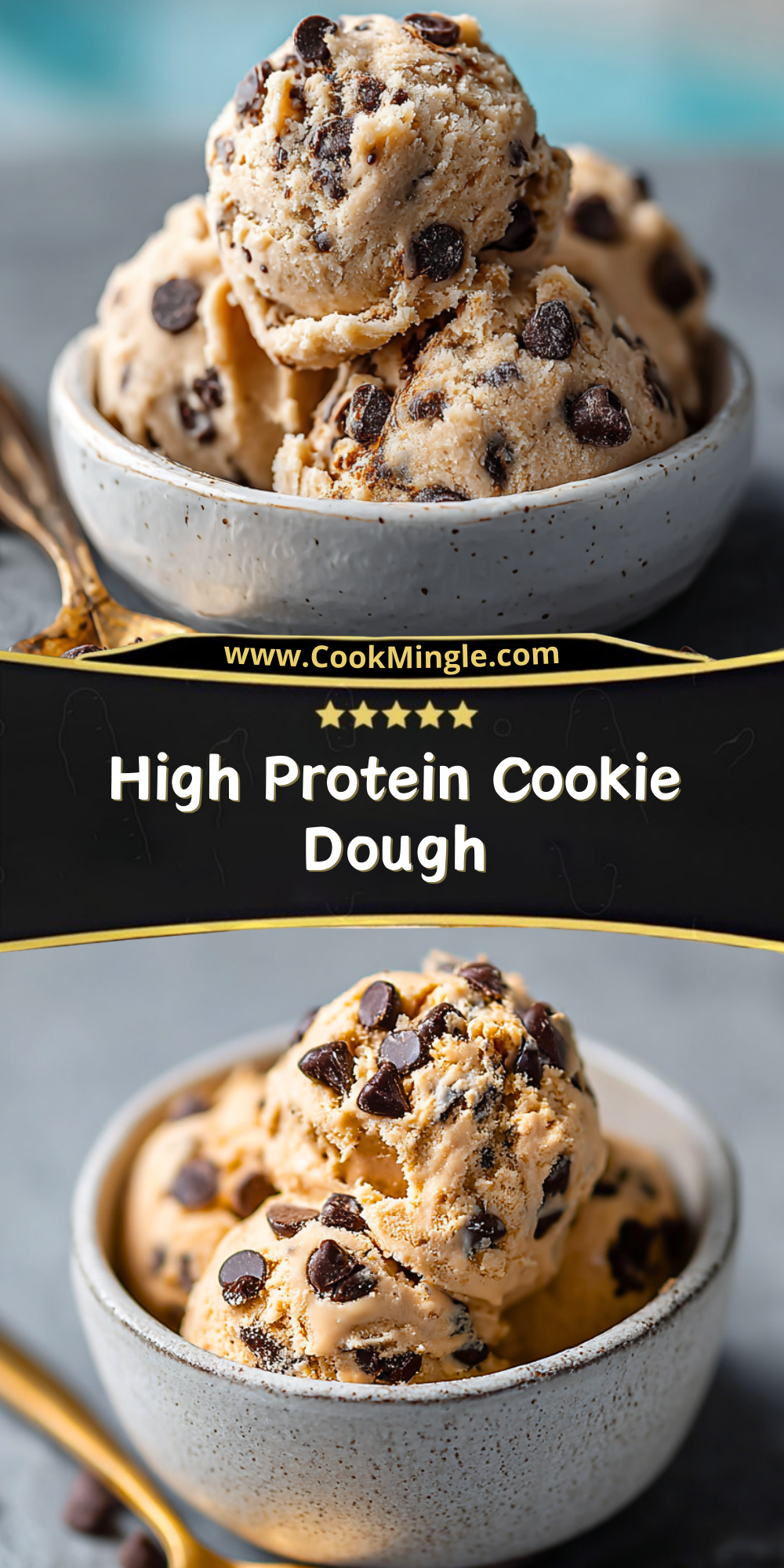
High Protein Cookie Dough is the kind of treat that satisfies your sweet tooth while still supporting your nutrition goals. Creamy, rich, and loaded with chocolate chips, it has that classic cookie dough flavor you crave—but with a protein-packed twist that makes it perfect for a post-workout snack or a smart dessert option.
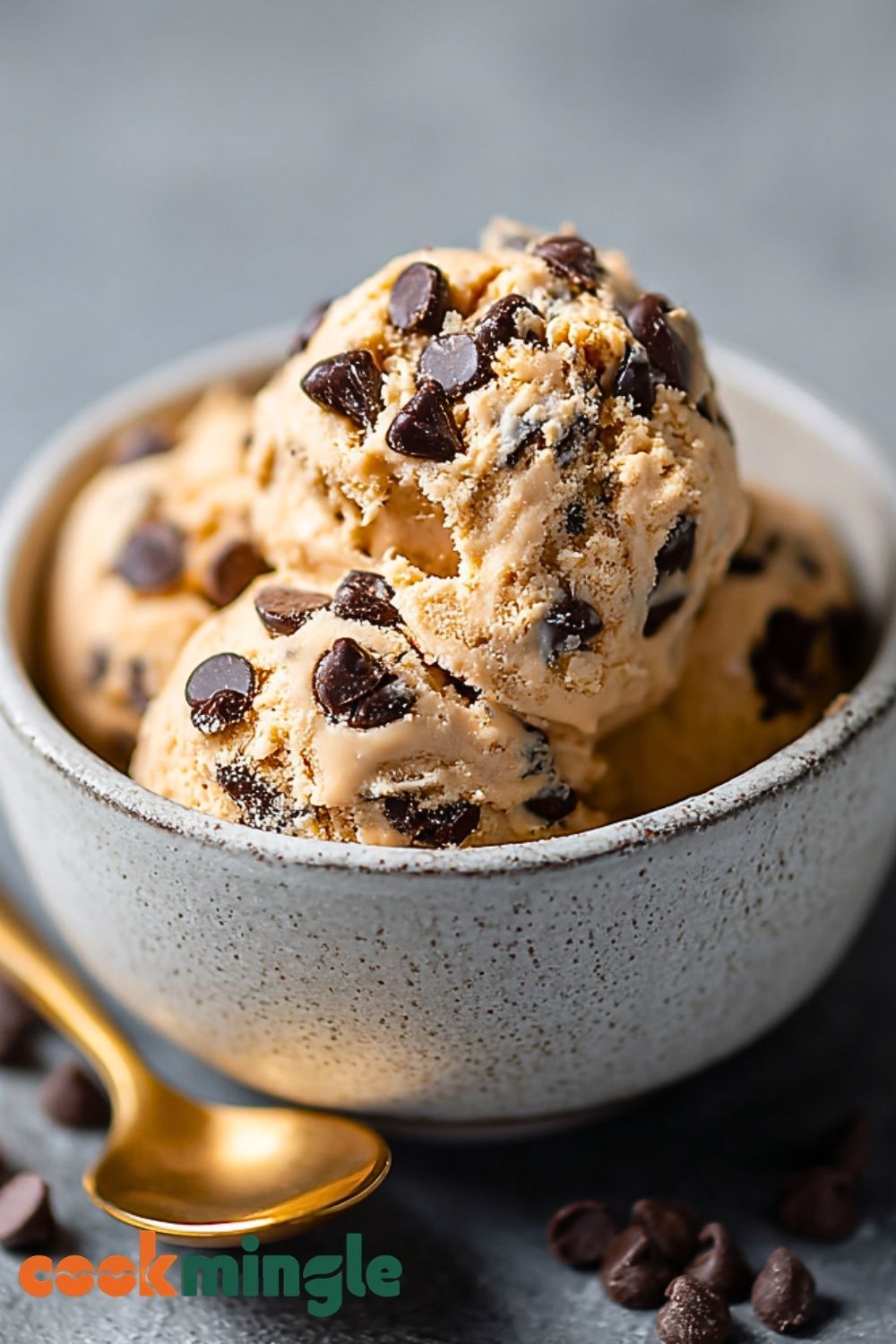
Each spoonful is soft, slightly chewy, and perfectly balanced between sweet and salty. Whether you enjoy it straight from the bowl or roll it into bite-sized protein balls, this no-bake delight delivers indulgence and nourishment in every bite.
Why You’ll Love This High Protein Cookie Dough
This High Protein Cookie Dough comes together in minutes with simple pantry ingredients. It’s no-bake, flour-free, and easily customizable to fit different dietary needs. You get the nostalgic flavor of traditional cookie dough with added protein to help keep you full longer. It’s ideal for meal prep, quick snacks, healthy dessert swaps, or even a quick breakfast option when you need something fast and satisfying.
Preparation Phase & Tools to Use (Essential Tools and Equipment, and the Importance of Each Tool)
To make High Protein Cookie Dough smoothly and efficiently, you’ll need a few basic kitchen tools. A medium mixing bowl is essential for combining all ingredients evenly without spilling. A sturdy silicone spatula or wooden spoon helps properly fold and blend thicker mixtures, ensuring the protein powder incorporates smoothly. Measuring cups and spoons are crucial for accuracy, especially when working with protein powder and nut butter to maintain the right texture. If you prefer an ultra-smooth consistency, a small food processor can help fully combine ingredients and eliminate clumps. Finally, a cookie scoop is helpful for portioning evenly sized servings, making the dough perfect for meal prep or serving.
Preparation Tips
For the best texture, use a creamy nut butter with a natural, smooth consistency. If your nut butter is too thick, gently warm it for a few seconds to make mixing easier. When adding protein powder, mix gradually to prevent clumping and adjust the liquid slightly if needed to achieve a soft, scoopable dough. Taste as you go and adjust sweetness based on your preference. If you enjoy a firmer texture, refrigerate the dough for 20–30 minutes before serving. Small adjustments in liquid and mixing technique can make a big difference in achieving that perfect cookie dough consistency.
Ingredients for this High Protein Cookie Dough
To create the perfect balance of flavor, texture, and protein content, gather the following ingredients:
- 1 cup natural creamy peanut butter (or almond butter) – Provides healthy fats, structure, and rich flavor. Make sure it’s well-stirred and smooth.
- 1/3 cup vanilla or unflavored protein powder (whey or plant-based) – The key source of protein. Vanilla enhances sweetness, while unflavored keeps it neutral.
- 2–4 tablespoons milk (dairy or unsweetened almond milk) – Adjusts consistency and helps blend the protein powder smoothly.
- 2 tablespoons maple syrup or honey – Adds natural sweetness and improves texture.
- 2 tablespoons oat flour (heat-treated if preferred) – Gives a traditional cookie dough feel and slight thickness.
- 1/2 teaspoon pure vanilla extract – Enhances the classic cookie dough flavor.
- 1/4 teaspoon fine sea salt – Balances sweetness and deepens overall flavor.
- 1/3 cup mini chocolate chips (dark, semi-sweet, or sugar-free) – Adds texture and indulgent bursts of chocolate in every bite.
Optional Add-Ins for Customization:
- 1 tablespoon chia seeds or ground flaxseed (extra fiber boost)
- 1 tablespoon collagen peptides (additional protein support)
- 1–2 tablespoons peanut butter powder (intensifies flavor without excess fat)
- A pinch of cinnamon for warmth
- 1 tablespoon shredded coconut for texture
Step 1: Prepare Your Base Mixture
In a medium mixing bowl, add the creamy peanut butter, maple syrup (or honey), and vanilla extract. Using a silicone spatula or wooden spoon, stir until the mixture is smooth and fully combined. This creates the flavorful base and ensures even sweetness distribution before adding dry ingredients.
Step 2: Incorporate the Dry Ingredients
Add the protein powder, oat flour, and sea salt to the bowl. Begin mixing slowly to prevent the powder from puffing out. Fold the dry ingredients into the wet base until partially combined. The mixture will begin to thicken significantly at this stage.
If using optional add-ins such as chia seeds, flaxseed, or collagen, incorporate them during this step for even distribution.
Step 3: Adjust the Consistency
Gradually add milk one tablespoon at a time while mixing. Continue stirring until the dough becomes soft, smooth, and scoopable. Depending on the type of protein powder used (whey absorbs differently than plant-based), you may need slightly more or less liquid. The ideal consistency should resemble classic edible cookie dough—thick but pliable.
If the mixture becomes too soft, add a small amount of oat flour or extra protein powder. If it’s too dry, add an additional teaspoon of milk.
Step 4: Fold in the Chocolate Chips
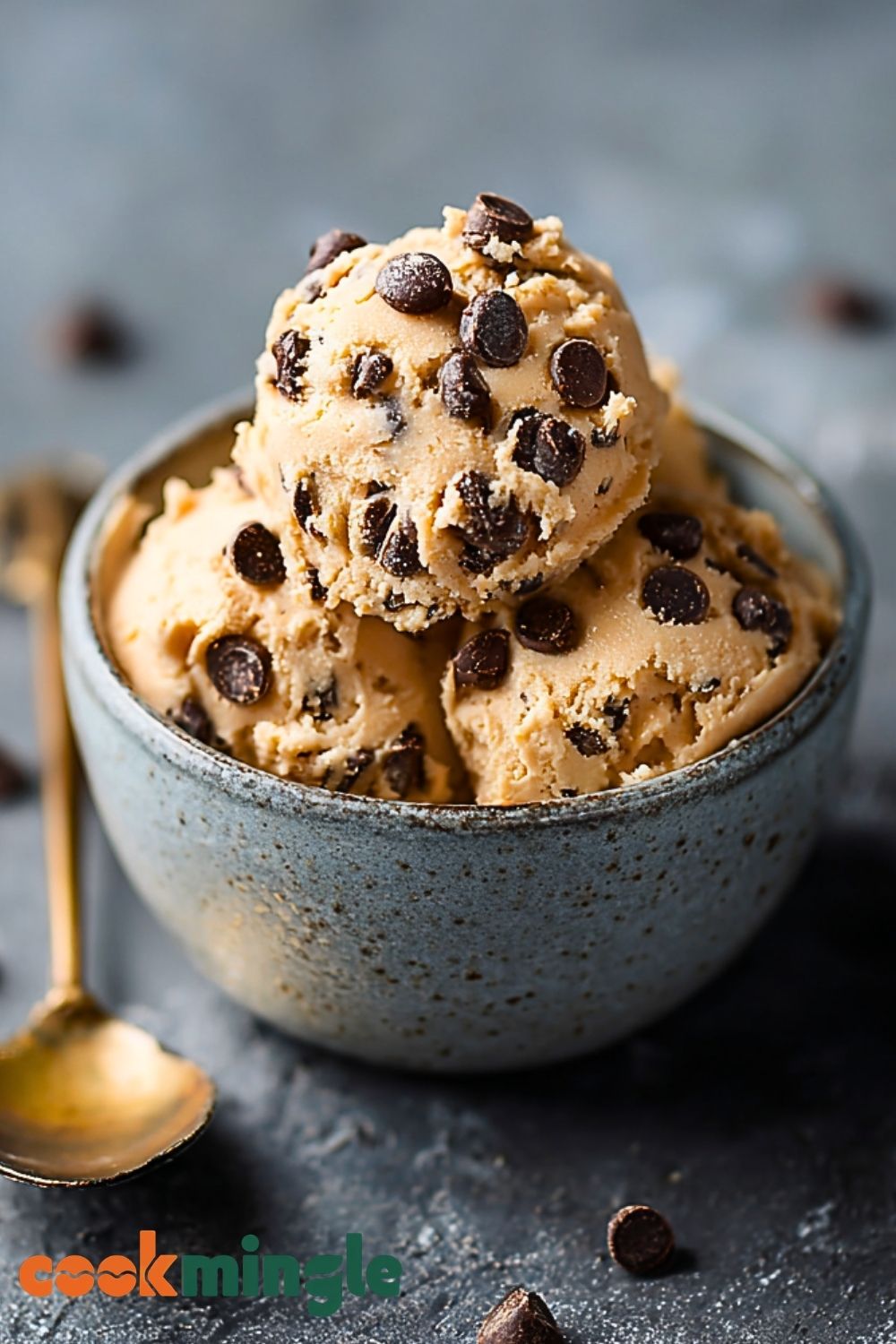
Gently fold the mini chocolate chips into the dough using a spatula. Distribute evenly so every bite contains chocolate. For extra visual appeal and texture, press a few additional chips on top.
Step 5: Chill for Best Texture (Optional but Recommended)
For a firmer, more traditional cookie dough texture, refrigerate the mixture for 20–30 minutes. Chilling allows the flavors to deepen and the dough to set slightly, making it perfect for scooping or rolling into protein bites.
Step 6: Serve and Enjoy
Scoop the High Protein Cookie Dough into bowls, portion into snack-sized containers, or roll into evenly sized balls using a cookie scoop. Serve immediately for a softer texture or keep chilled for a thicker, more structured consistency. This dough can be enjoyed as a quick snack, post-workout treat, healthy dessert alternative, or even a protein-packed breakfast option.
Notes
High Protein Cookie Dough is highly adaptable, which makes it ideal for different dietary preferences and nutritional goals. The type of protein powder you choose will significantly affect the texture and flavor. Whey protein typically produces a smoother, softer dough, while plant-based protein may create a slightly thicker or grainier consistency and may require extra liquid. Sweetness levels can also vary depending on your protein brand, so tasting and adjusting with a small amount of maple syrup or a sugar-free sweetener is recommended. For food safety, ensure that any oat flour used is heat-treated if you are concerned about consuming raw flour products. This dough is intended to be eaten raw and is not designed for baking, as the absence of eggs and leavening agents will affect structure and spread.
Watch Out for These Mistakes While Cooking
Even though this is a no-bake recipe, small missteps can affect the final texture and taste:
- Adding too much protein powder at once: This can create a dry, crumbly mixture that’s difficult to fix. Always mix gradually.
- Skipping liquid adjustments: Protein powders vary widely in absorption. Add milk slowly and adjust as needed.
- Using overly thick or dry nut butter: Natural nut butters that haven’t been stirred well can make the dough stiff and oily at the same time.
- Overmixing after adding chocolate chips: This can cause the dough to become dense and may break down the chips.
- Not tasting before chilling: Once chilled, adjusting sweetness or salt becomes slightly harder.
- Expecting it to bake like traditional cookie dough: This mixture is formulated for safe raw consumption and will not behave like classic cookie dough in the oven.
Storage Instructions
Store High Protein Cookie Dough in an airtight container in the refrigerator for up to 5 days. Keep it tightly sealed to prevent it from drying out. If the dough firms up too much in the fridge, allow it to sit at room temperature for 5–10 minutes before serving to soften slightly. For longer storage, portion the dough into balls and freeze in a sealed container for up to 2 months. Thaw overnight in the refrigerator or let sit at room temperature for about 15 minutes before enjoying.
Estimated Nutrition
The following is an approximate nutritional breakdown per serving (based on 8 servings total and using whey protein and peanut butter):
- Calories: 210–240 kcal
- Protein: 10–14g
- Carbohydrates: 12–16g
- Fiber: 2–3g
- Sugars: 6–8g
- Fat: 14–16g
- Saturated Fat: 3–4g
- Sodium: 120–180mg
Nutritional values will vary depending on the type of protein powder, nut butter, and sweetener used.
Frequently Asked Questions
1. Can I bake High Protein Cookie Dough into cookies?
This dough is formulated for raw consumption and lacks eggs and leavening agents. Baking it may result in dense, flat cookies. If you want baked cookies, additional structural ingredients are required.
2. What type of protein powder works best?
Whey protein creates a smoother consistency, while plant-based protein works well but may require extra liquid. Choose one that you enjoy the taste of, as flavor plays a major role.
3. Is this safe to eat raw?
Yes, since it contains no eggs and can be made with heat-treated oat flour, it is designed for safe raw consumption.
4. How can I make it vegan?
Use plant-based protein powder, dairy-free milk, and maple syrup instead of honey.
5. Can I make it lower in sugar?
Yes. Substitute maple syrup or honey with a sugar-free liquid sweetener or reduce the amount slightly and adjust to taste.
6. Why is my dough too dry?
This usually happens due to highly absorbent protein powder. Add milk one teaspoon at a time until the desired consistency is reached.
7. Can I use a different nut butter?
Absolutely. Almond butter, cashew butter, or even sunflower seed butter work well. Keep in mind that flavor and texture may vary slightly.
8. Is this suitable for meal prep?
Yes. Portioning the dough into individual servings or rolling into balls makes it convenient for grab-and-go snacks throughout the week.
Conclusion
High Protein Cookie Dough delivers the classic comfort of traditional cookie dough while supporting a balanced lifestyle. It’s quick to prepare, easy to customize, and satisfying enough to curb sweet cravings without overindulging. Whether you enjoy it as a post-workout snack, healthy dessert alternative, or protein-packed treat during a busy day, this versatile no-bake option makes nutritious eating both simple and delicious.
High Protein Cookie Dough
- Total Time: 10 minutes
- Yield: 8 servings
- Diet: Vegetarian
Description
Craving something sweet, satisfying, and packed with fuel? This High Protein Cookie Dough delivers classic cookie dough flavor in a healthier no-bake form. Creamy, chocolate-studded, and perfectly balanced, it works as a quick breakfast, healthy snack, easy dessert, or post-workout treat. This easy recipe fits perfectly into your breakfast ideas, dinner ideas, and everyday food ideas while providing a protein boost in every bite.
Ingredients
1 cup natural creamy peanut butter
1/3 cup vanilla or unflavored protein powder
2–4 tablespoons milk (dairy or unsweetened almond milk)
2 tablespoons maple syrup or honey
2 tablespoons oat flour
1/2 teaspoon pure vanilla extract
1/4 teaspoon fine sea salt
1/3 cup mini chocolate chips
Instructions
1. In a medium bowl, mix peanut butter, maple syrup or honey, and vanilla extract until smooth.
2. Add protein powder, oat flour, and salt. Stir slowly to combine.
3. Add milk gradually, one tablespoon at a time, until the dough becomes soft and scoopable.
4. Fold in mini chocolate chips evenly.
5. Refrigerate for 20–30 minutes for a firmer texture if desired.
6. Serve immediately or portion into bite-sized servings.
Notes
Protein powder types vary in absorption, so add milk gradually to control texture.
Chilling the dough improves structure and enhances flavor.
If the dough is too thick add milk slowly, if too soft add a small amount of oat flour or protein powder.
- Prep Time: 10 minutes
- Cook Time: 0 minutes
- Category: Snack / Dessert
- Method: No-Bake
- Cuisine: American
Nutrition
- Serving Size: 1 serving
- Calories: 230
- Sugar: 7g
- Sodium: 150mg
- Fat: 15g
- Saturated Fat: 3.5g
- Unsaturated Fat: 10g
- Trans Fat: 0g
- Carbohydrates: 14g
- Fiber: 2.5g
- Protein: 12g
- Cholesterol: 5mg