
 Emily Carter
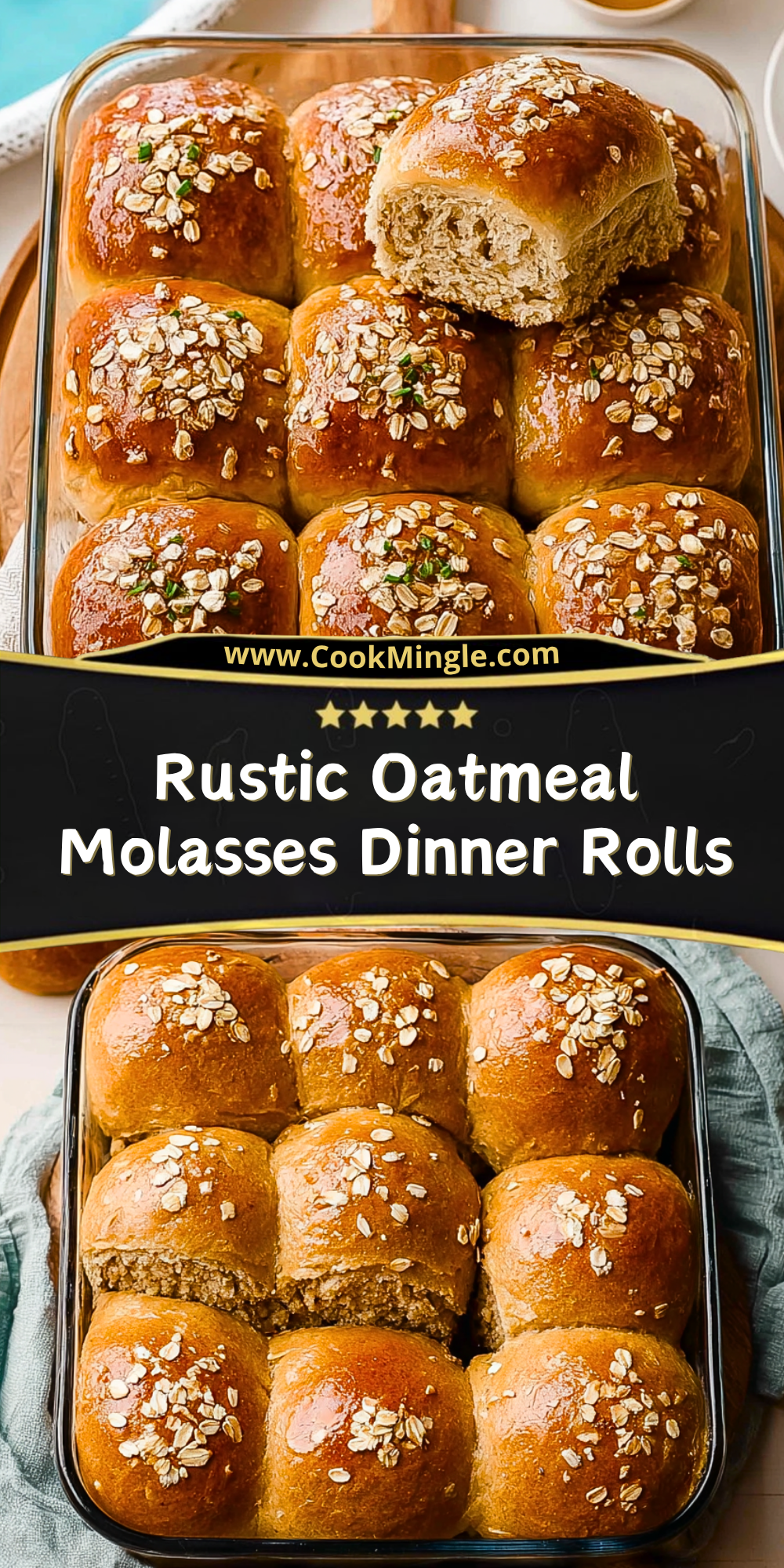
There’s something deeply comforting about pulling a tray of warm, golden-brown dinner rolls straight from the oven, especially when they carry the rich aroma of molasses and toasted oats. These rustic oatmeal molasses dinner rolls offer a perfect balance of subtle sweetness and hearty texture, making them a standout addition to any meal—from cozy family dinners to festive holiday spreads.
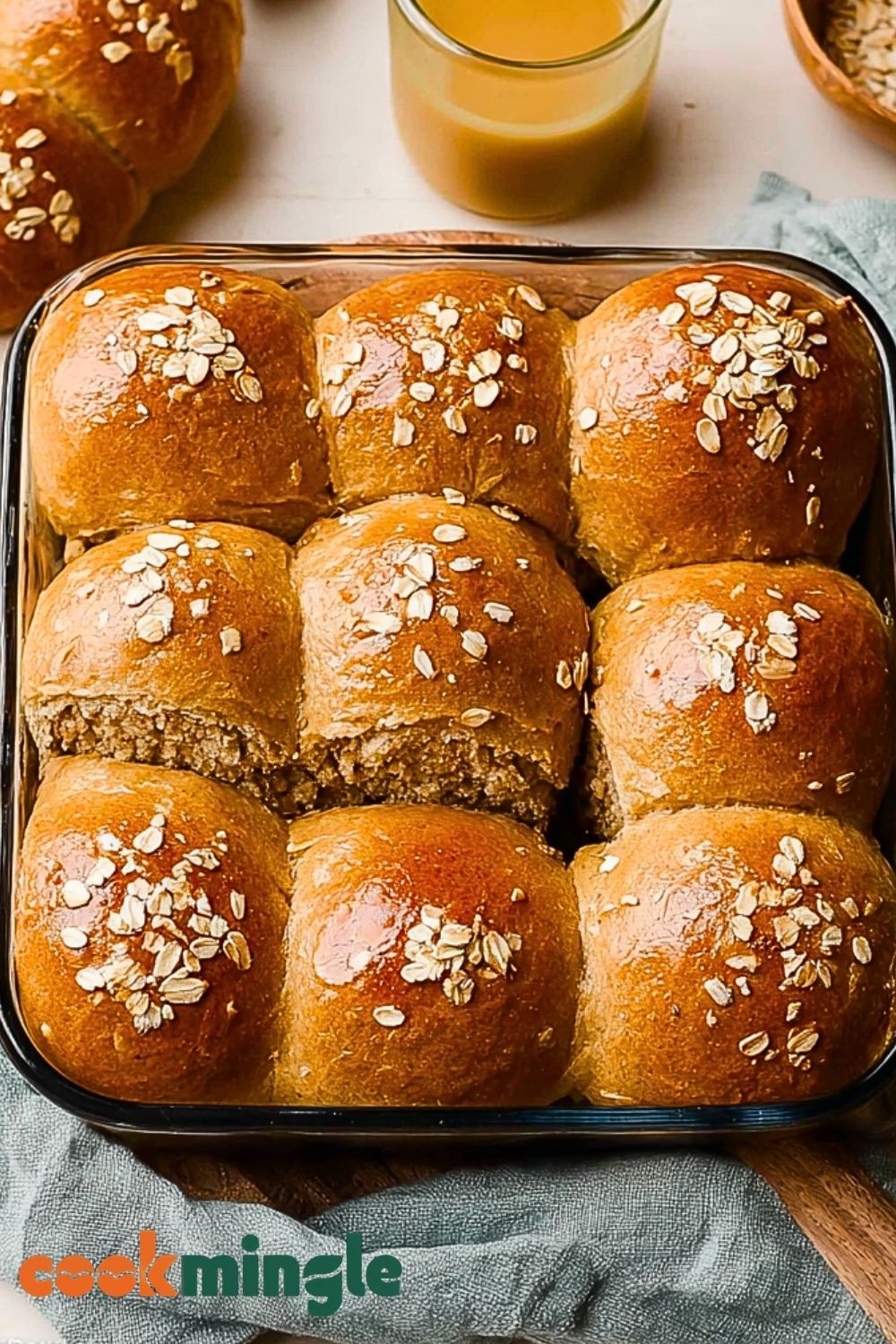
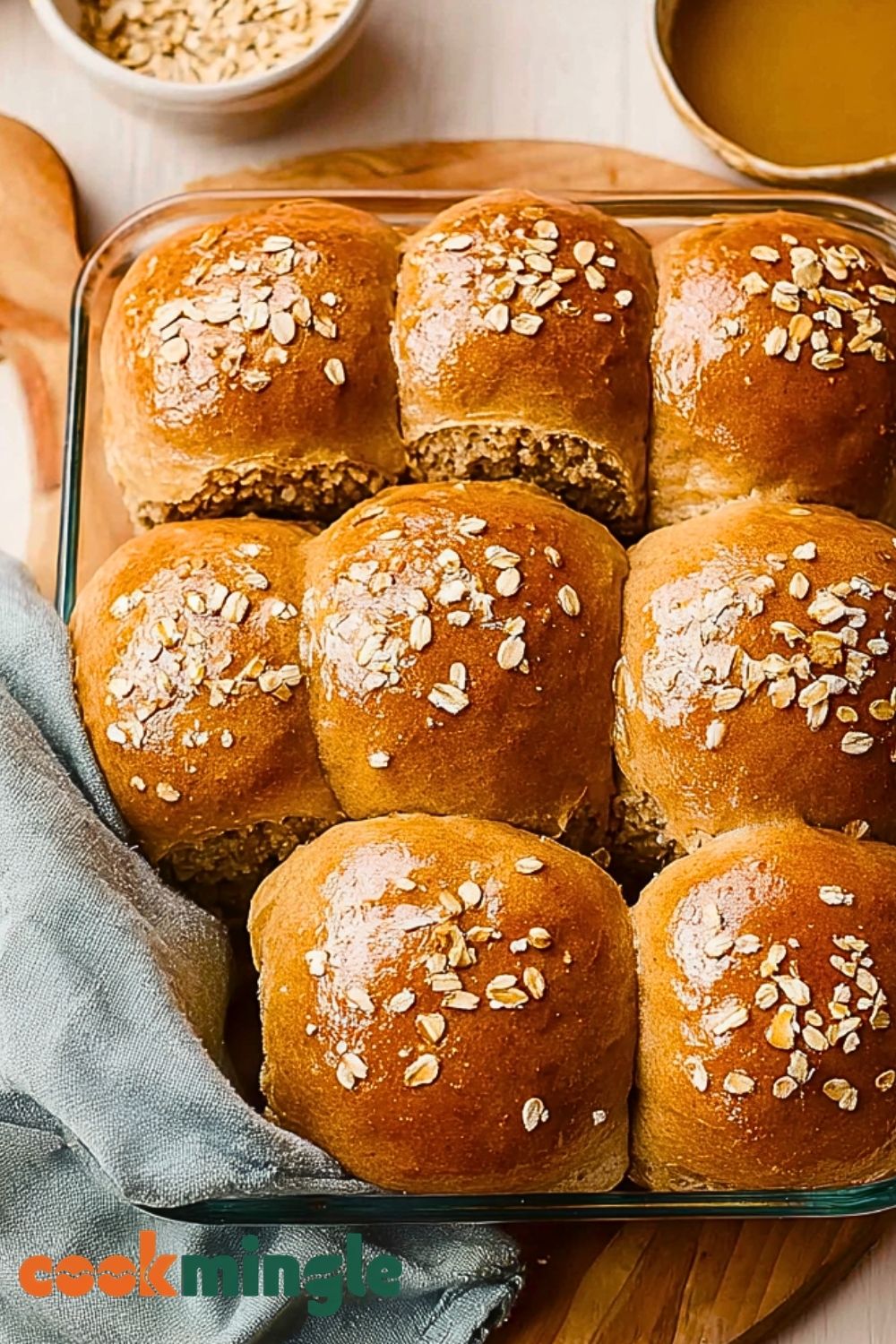
Each roll is soft and pillowy on the inside with a slightly chewy crust, topped with a sprinkle of oats that add both visual appeal and a gentle crunch. The molasses brings a deep, almost caramel-like flavor that pairs beautifully with butter, honey, or even savory dishes.
Why You’ll Love This Rustic Oatmeal Molasses Dinner Rolls
These rolls strike a beautiful balance between wholesome and indulgent. The oats add a rustic texture while the molasses lends a rich depth of flavor you don’t usually find in standard dinner rolls. They’re versatile enough to complement both sweet and savory meals, and they stay soft for days, making them perfect for meal prep or leftovers.
Preparation Phase & Tools to Use (Essential Tools and Equipment and Their Importance)
To make these rustic oatmeal molasses dinner rolls successfully, having the right tools makes all the difference. A large mixing bowl is essential for combining ingredients and allowing the dough to rise properly. A stand mixer with a dough hook can save time and effort when kneading, though hand kneading works just as well if you prefer a more traditional approach. Measuring cups and spoons ensure accuracy, especially important when working with yeast. A baking dish or tray helps shape the rolls evenly, while parchment paper prevents sticking and promotes even baking. Finally, a pastry brush is useful for applying an egg wash or butter glaze, giving the rolls their signature golden finish.
Preparation Tips
Working with yeast dough requires a bit of patience and attention to detail. Make sure your liquid ingredients are warm—not hot—as excessive heat can kill the yeast and prevent proper rising. Allow enough time for the dough to double in size during proofing, as this step is crucial for achieving soft and airy rolls. If your kitchen is cool, consider placing the dough in a slightly warm (but turned-off) oven to encourage rising. For added flavor, you can toast the oats lightly before incorporating or sprinkling them on top, enhancing their nutty aroma and taste.
Ingredients for this Rustic Oatmeal Molasses Dinner Rolls
- 3 3/4 cups (470g) all-purpose flour (plus extra for dusting)
- 1 cup (90g) old-fashioned rolled oats (plus extra for topping)
- 2 1/4 teaspoons (1 packet) active dry yeast
- 1 cup (240ml) warm milk (about 110°F / 43°C)
- 1/3 cup (80ml) unsulphured molasses
- 1/4 cup (50g) brown sugar (light or dark)
- 1/4 cup (60g) unsalted butter, melted
- 1 1/2 teaspoons salt
- 1 large egg (room temperature)
- 1/2 cup (120ml) warm water (as needed for dough consistency)
Optional Topping:
- 1 egg (for egg wash)
- 1 tablespoon milk (to mix with egg)
- Extra rolled oats for sprinkling
Step 1: Activate the Yeast
In a large mixing bowl, combine the warm milk, a tablespoon of the brown sugar, and the yeast. Stir gently and let it sit for 5–10 minutes until the mixture becomes foamy. This indicates that the yeast is active and ready to use. If no foam forms, the yeast may be inactive and should be replaced.
Step 2: Prepare the Oat Mixture
Add the rolled oats to the yeast mixture and let them soak for about 5 minutes. This softens the oats and helps them integrate better into the dough, resulting in a softer texture in the final rolls.
Step 3: Mix the Wet Ingredients
Stir in the molasses, remaining brown sugar, melted butter, egg, and salt into the oat and yeast mixture. Mix thoroughly until the ingredients are well combined and form a rich, dark liquid base.
Step 4: Incorporate the Flour
Gradually add the flour, one cup at a time, mixing continuously. Once the dough begins to come together, assess its consistency. If it feels too dry, add warm water one tablespoon at a time. The dough should be slightly sticky but manageable.
Step 5: Knead the Dough
Transfer the dough onto a lightly floured surface and knead for 8–10 minutes until it becomes smooth and elastic. Alternatively, use a stand mixer with a dough hook on medium speed for about 6–8 minutes. Proper kneading develops gluten, which gives the rolls their soft and structured texture.
Step 6: First Rise (Proofing)
Place the kneaded dough into a lightly greased bowl, turning it once to coat all sides. Cover with a clean kitchen towel or plastic wrap and let it rise in a warm environment for 1 to 1.5 hours, or until it doubles in size.
Step 7: Shape the Rolls
Punch down the risen dough gently to release excess air. Divide the dough into equal portions (about 12–15 pieces depending on desired size). Shape each portion into a smooth ball by tucking the edges underneath and rolling gently.
Step 8: Arrange and Second Rise
Place the shaped dough balls into a parchment-lined or greased baking dish, leaving slight space between each. Cover and allow them to rise again for 30–45 minutes until they become puffy and nearly doubled.
Step 9: Prepare Topping
Preheat your oven to 375°F (190°C). In a small bowl, whisk together the egg and milk to create an egg wash. Gently brush the tops of the rolls with the mixture and sprinkle rolled oats evenly over each roll.
Step 10: Bake the Rolls
Bake in the preheated oven for 20–25 minutes, or until the tops are deep golden brown and the rolls sound hollow when tapped. Rotate the pan halfway through baking for even browning.
Step 11: Finish and Serve
Remove the rolls from the oven and, if desired, brush with melted butter for extra softness and shine. Allow them to cool slightly before serving warm. These rolls pair beautifully with butter, honey, soups, or savory main dishes.
Notes
These rustic oatmeal molasses dinner rolls develop their signature flavor from the combination of hearty oats and rich molasses, which not only adds depth but also contributes to the soft texture. Using unsulphured molasses is recommended for a cleaner, slightly sweet taste, while darker molasses will create a more robust and slightly bitter profile. The dough may feel slightly stickier than traditional white bread dough due to the molasses and oats, but this is completely normal and helps produce a moist crumb.
Watch Out for These Mistakes While Cooking
One of the most common issues is using liquid that is too hot, which can kill the yeast and prevent the dough from rising properly. Another mistake is adding too much flour, which can make the rolls dense instead of soft and fluffy—always add flour gradually. Skipping or shortening the proofing time can also result in heavy rolls, as the dough needs enough time to develop air pockets. Additionally, overbaking can dry out the rolls, so keep an eye on them once they turn golden brown.
Storage Instructions
Once completely cooled, store the rolls in an airtight container at room temperature for up to 3 days. For longer storage, place them in a sealed bag and refrigerate for up to a week, though this may slightly alter their texture. To freeze, wrap each roll individually in plastic wrap and store in a freezer-safe bag for up to 2 months. When ready to enjoy, thaw at room temperature and warm in the oven for a freshly baked feel.
Estimated Nutrition
Per roll (approximate):
- Calories: 180–220 kcal
- Carbohydrates: 32g
- Protein: 5g
- Fat: 4g
- Saturated Fat: 2g
- Fiber: 2g
- Sugar: 6–8g
- Sodium: 180mg
Frequently Asked Questions
Can I use instant yeast instead of active dry yeast?
Yes, you can substitute instant yeast. You can skip the activation step and mix it directly with the dry ingredients, though the rise time may be slightly shorter.
Can I make these rolls whole wheat?
You can replace up to half of the all-purpose flour with whole wheat flour. Using 100% whole wheat may make the rolls denser.
What type of molasses works best?
Unsulphured molasses is ideal for a balanced flavor. Blackstrap molasses can be used but will result in a stronger, slightly bitter taste.
Why are my rolls dense instead of fluffy?
This usually happens due to insufficient kneading, too much flour, or not allowing enough time for the dough to rise properly.
Can I prepare the dough ahead of time?
Yes, after the first rise, you can refrigerate the dough overnight. Let it come to room temperature before shaping and proceeding with the second rise.
How do I make the rolls softer?
Brushing them with melted butter immediately after baking helps lock in moisture and keeps the crust soft.
Can I add other ingredients like seeds or nuts?
Absolutely. Sunflower seeds, flaxseeds, or chopped nuts can be added for extra texture and nutrition.
How do I know when the rolls are fully baked?
They should be golden brown on top and sound hollow when tapped. You can also check that the internal temperature reaches about 190°F (88°C).
Conclusion
Rustic oatmeal molasses dinner rolls bring together wholesome ingredients and rich, comforting flavors in every bite. Whether served alongside a hearty dinner or enjoyed with a simple spread of butter, these rolls are a reliable and rewarding baking project. With the right techniques and a bit of patience, you’ll end up with beautifully soft, flavorful rolls that are sure to become a staple in your kitchen.
Rustic Oatmeal Molasses Dinner Rolls
- Total Time: 1 hour 45 minutes
- Yield: 12-15 rolls
- Diet: Vegetarian
Description
Warm, soft, and irresistibly fluffy, these rustic oatmeal molasses dinner rolls are the perfect addition to your table. With rich molasses flavor and hearty oats, they work as a quick breakfast, easy dinner side, or healthy snack. This easy recipe delivers comforting homemade bread that fits all your favorite food ideas.
Ingredients
3 3/4 cups all-purpose flour
1 cup rolled oats
2 1/4 teaspoons active dry yeast
1 cup warm milk
1/3 cup molasses
1/4 cup brown sugar
1/4 cup unsalted butter melted
1 1/2 teaspoons salt
1 large egg
1/2 cup warm water
1 egg for egg wash
1 tablespoon milk for egg wash
extra rolled oats for topping
Instructions
1. In a bowl, mix warm milk, yeast, and a little sugar. Let sit until foamy.
2. Add oats and let them soften for a few minutes.
3. Mix in molasses, remaining sugar, butter, egg, and salt.
4. Gradually add flour and mix until a soft dough forms.
5. Knead the dough until smooth and elastic.
6. Place in a greased bowl, cover, and let rise until doubled.
7. Punch down and divide into equal portions, shaping into balls.
8. Arrange in a baking dish and let rise again until puffy.
9. Brush with egg wash and sprinkle oats on top.
10. Bake at 375°F (190°C) until golden brown.
11. Cool slightly and serve warm.
Notes
Use warm—not hot—liquids to keep yeast active.
Avoid adding too much flour to maintain soft texture.
Brush with melted butter after baking for best results.
- Prep Time: 20 minutes
- Cook Time: 25 minutes
- Category: Bread
- Method: Baking
- Cuisine: American
Nutrition
- Serving Size: 1 roll
- Calories: 200
- Sugar: 7g
- Sodium: 180mg
- Fat: 4g
- Saturated Fat: 2g
- Unsaturated Fat: 1.5g
- Trans Fat: 0g
- Carbohydrates: 32g
- Fiber: 2g
- Protein: 5g
- Cholesterol: 20mg