
 Emily Carter

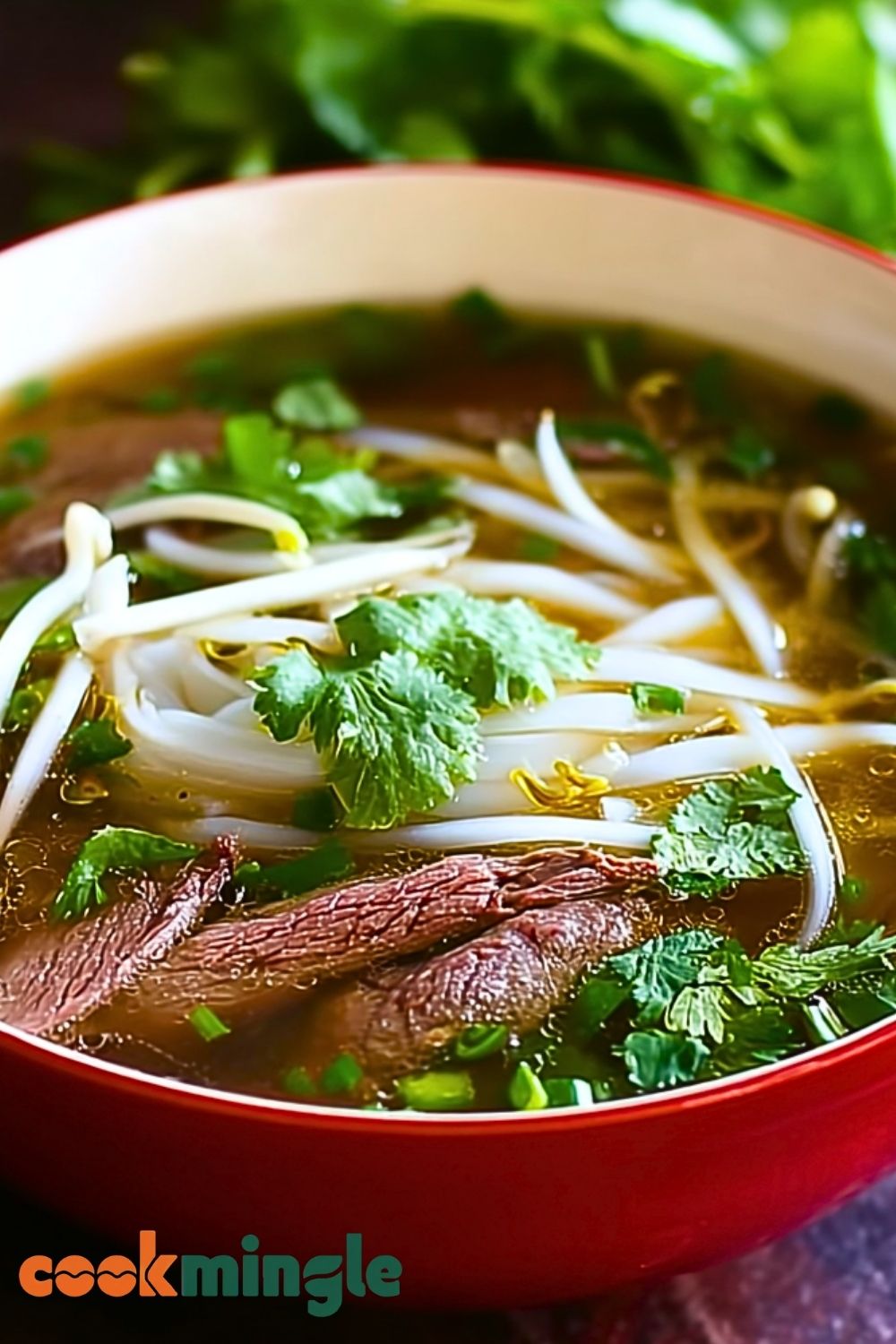
Fragrant, soul-warming, and deeply flavorful—Vietnamese Beef Pho (Phở Bò) is more than just a noodle soup; it’s a cultural experience in a bowl. Rich bone broth infused with charred onion, ginger, star anise, and clove forms the aromatic base, while tender slices of beef and silky rice noodles make it both hearty and comforting. Fresh herbs and a squeeze of lime add brightness, transforming every spoonful into a harmony of contrasting yet balanced flavors.

Whether you’re seeking a cozy meal for a chilly day or exploring the depths of traditional Vietnamese cuisine, beef pho delivers on every level. Its clear yet intensely savory broth, enhanced by slow simmering and delicate spices, is a result of time, care, and technique. With each slurp of noodle and sip of broth, this iconic dish tells a story of Vietnam’s rich culinary heritage.
Why You’ll Love This Vietnamese Beef Pho
This pho isn’t just delicious—it’s restorative. The broth alone is a showcase of slow-cooked complexity, layered with umami, sweetness, and spice. It’s a comforting, complete meal that’s gluten-free, endlessly customizable, and satisfying enough for lunch or dinner. Plus, preparing pho at home lets you adjust everything to your taste—from the doneness of the beef to the balance of herbs and lime.
Preparation Phase & Tools to Use (In this headline mention the essential Tools and Equipment, also the importance of Each Tool)
To make an authentic Vietnamese Beef Pho, you’ll need a large stockpot (preferably 8-quart or more) to allow the bones to simmer gently and evenly for hours without crowding. A wire mesh skimmer or fine mesh sieve is crucial for keeping the broth clear, helping you skim off impurities as it simmers. Tongs are helpful for handling the bones and meat, while a small grill, broiler, or gas burner is essential for charring the onion and ginger—an important step for that signature depth of flavor. Lastly, a strainer and noodle bowls make assembly smooth and restaurant-quality at home.
Preparation Tips
Start early and allow plenty of time for the broth to simmer—this is not a rushed meal. Always blanch the beef bones before starting your main broth; it removes impurities and helps achieve a clearer soup. Char your onion and ginger until blackened—it’s worth the extra step for that smoky-sweet note. Skim the broth frequently, and season gently with fish sauce and rock sugar, tasting as you go. And when slicing raw beef, freeze it slightly beforehand to make thin slicing easier and more uniform. Fresh herbs, lime, chili, and hoisin or sriracha are perfect on the side, but should never overpower the broth—let it shine.
Ingredients for this Vietnamese Beef Pho
For the Broth:
- 3 to 4 pounds beef bones (marrow bones and knuckle bones)
- 1 large yellow onion, halved
- 1 piece of fresh ginger (about 3 inches), halved lengthwise
- 1 cinnamon stick
- 3 star anise pods
- 4 whole cloves
- 1 tablespoon coriander seeds
- 1 tablespoon fennel seeds (optional)
- 1 tablespoon salt
- 1 tablespoon rock sugar (or substitute with 1 tablespoon white sugar)
- 2 tablespoons fish sauce (plus more to taste)
- 6 to 7 quarts of water
For the Bowls:
- 1 pound rice noodles (bánh phở, medium width)
- 1/2 pound raw beef sirloin or eye of round, thinly sliced
- 1/2 pound brisket or beef shank, cooked in broth and thinly sliced
Toppings and Garnishes:
- Fresh cilantro leaves
- Thai basil
- Bean sprouts
- Lime wedges
- Sliced red chili or jalapeños
- Thinly sliced green onions
- Hoisin sauce (optional)
- Sriracha (optional)
Step 1: Blanch the Bones
Place all beef bones in a large stockpot and cover with cold water. Bring to a boil over high heat and boil vigorously for 10 minutes. Drain and rinse bones under cold water to remove impurities. Rinse the pot as well.
Step 2: Char the Aromatics
Using tongs, place the onion and ginger directly over an open flame, or under a broiler, turning occasionally until blackened in spots and aromatic (about 5–10 minutes). Rinse off any blackened skin. This step deepens the broth’s flavor and adds a subtle smokiness.
Step 3: Toast the Spices
In a dry skillet over medium heat, toast the cinnamon stick, star anise, cloves, coriander, and fennel seeds until fragrant (about 2–3 minutes). Keep them moving in the pan to avoid burning.
Step 4: Build the Broth
Return the blanched bones to the clean stockpot. Add the charred onion, ginger, toasted spices, salt, rock sugar, and fish sauce. Pour in about 6–7 quarts of water. Bring to a boil, then lower to a gentle simmer. Skim any foam or scum that rises to the top during the first hour.
Step 5: Simmer Low and Slow
Simmer the broth uncovered for at least 6 hours, ideally 8–10 hours. Add water as needed to keep bones submerged. After simmering, strain the broth through a fine mesh sieve or cheesecloth. Discard solids. Taste and adjust seasoning with additional fish sauce or salt.
Step 6: Prepare the Noodles and Beef
Soak rice noodles in warm water for 30 minutes, then blanch in boiling water for 30–60 seconds until just tender. For the raw beef, place in the freezer for 15–20 minutes to firm up for easier slicing. Cut into paper-thin slices.
Step 7: Assemble the Bowls
Divide the cooked noodles among serving bowls. Top with slices of raw beef and cooked brisket. Ladle hot, boiling broth directly over the meat to cook the raw slices. Add green onions, cilantro, and desired garnishes like bean sprouts, basil, and lime.
Step 8: Final Touches
Serve immediately with hoisin sauce and sriracha on the side. Encourage diners to customize their bowl with lime juice, herbs, and chili to taste. Enjoy the medley of flavors in every bite.
Notes
Making Vietnamese Beef Pho is all about patience and balance. The longer you simmer the bones and aromatics, the more depth and richness your broth will develop. Use high-quality beef bones for the best results—marrow and knuckle bones give both flavor and body to the broth. Don’t be tempted to skip charring the onion and ginger; it adds an essential smoky sweetness. When assembling bowls, always pour boiling broth directly over the raw beef to gently cook it just before serving. This ensures the meat stays tender and adds its essence to the final flavor.
Watch Out for These Mistakes While Cooking
- Skipping the bone blanching step: This is crucial for a clear broth. Failing to do this results in a cloudy, off-tasting base.
- Using too high a heat while simmering: Pho broth should barely bubble. A rolling boil can emulsify fats and make the broth cloudy.
- Over-seasoning early: Add fish sauce and salt gradually and taste near the end of the simmering process to prevent an overly salty broth.
- Slicing raw beef too thick: It won’t cook properly in the broth. Freeze the beef briefly before slicing for cleaner, thinner cuts.
- Not skimming scum regularly: This helps keep the broth clean and clear.
Storage Instructions
Pho broth stores exceptionally well. Once cooled, strain and refrigerate for up to 5 days or freeze for up to 3 months. Store the cooked noodles and beef separately, as they can become mushy or overcooked if left in the broth. Reheat the broth to a rolling boil before pouring over noodles and beef to serve. Keep garnishes fresh and add only when ready to eat.
Estimated Nutrition
Per serving (based on 6 servings):
- Calories: 450–500 kcal
- Protein: 30g
- Fat: 15g
- Saturated Fat: 5g
- Carbohydrates: 45g
- Fiber: 2g
- Sugar: 3g
- Sodium: 800mg
Frequently Asked Questions
How long should I simmer pho broth?
Ideally, simmer for at least 6 hours. Longer simmering (up to 10 hours) extracts more flavor and richness.
Can I use chicken or pork bones instead?
You can, but it will create a different type of pho (like pho ga with chicken). For authentic beef pho, stick to beef bones.
Is it okay to use store-bought broth?
While convenient, store-bought broth lacks the depth of homemade pho. Use it only in a pinch and enhance with charred aromatics and spices.
Can I make pho vegetarian?
Yes! Use charred vegetables like carrots, mushrooms, onion, and ginger with a kombu or miso base to build a savory broth.
What type of noodles are best?
Use flat rice noodles labeled “bánh phở.” Medium thickness is traditional, but you can adjust based on your preference.
Can I make the broth in an Instant Pot?
Yes, pressure cooking the bones for 1.5–2 hours can cut down the simmering time significantly while still producing a flavorful broth.
How do I keep the beef rare?
Slice it very thin and ensure the broth is boiling hot when poured over the meat. This gently cooks it while keeping it tender.
Can I add other toppings?
Absolutely! Popular additions include thinly sliced onions, fried shallots, quail eggs, or even tripe depending on your taste.
Conclusion
Vietnamese Beef Pho is a labor of love—a dish that celebrates patience, balance, and bold flavor. From its aromatic broth to the satisfying layers of herbs and noodles, it delivers comfort and complexity in every bowl. Whether you’re crafting it for a cozy dinner or preparing portions to freeze, this iconic recipe connects tradition with everyday nourishment. Once you master it, homemade pho will become a staple worth savoring again and again.
Vietnamese Beef Pho
- Total Time: 6 hours 45 minutes to 10 hours 45 minutes
- Yield: 6 servings
Description
Discover the comforting magic of Vietnamese Beef Pho, a nourishing dish steeped in Vietnamese tradition. This easy recipe is perfect whether you’re craving a cozy lunch, looking for healthy dinner ideas, or want to impress guests with an authentic Asian soup. Simmered beef bones, charred aromatics, and warming spices come together in a rich, clear broth served with rice noodles, thinly sliced beef, and fresh herbs. It’s one of the best food ideas for cold days or anytime you need a flavor-packed, protein-rich bowl. Great for meal prep or a quick reheat dinner!
Ingredients
3 to 4 pounds beef bones (marrow bones and knuckle bones)
1 large yellow onion, halved
1 piece fresh ginger (about 3 inches), halved lengthwise
1 cinnamon stick
3 star anise pods
4 whole cloves
1 tablespoon coriander seeds
1 tablespoon fennel seeds (optional)
1 tablespoon salt
1 tablespoon rock sugar (or white sugar)
2 tablespoons fish sauce (plus more to taste)
6 to 7 quarts water
1 pound rice noodles (bánh phở, medium width)
1/2 pound raw beef sirloin or eye of round, thinly sliced
1/2 pound brisket or beef shank, cooked and sliced
Fresh cilantro leaves
Thai basil
Bean sprouts
Lime wedges
Sliced red chili or jalapeños
Thinly sliced green onions
Hoisin sauce (optional)
Sriracha (optional)
Instructions
1. Blanch the bones in boiling water for 10 minutes, then drain and rinse to remove impurities.
2. Char onion and ginger over an open flame or under a broiler until blackened. Rinse off burnt parts.
3. Toast cinnamon, star anise, cloves, coriander, and fennel in a dry pan until fragrant.
4. Add bones, charred aromatics, spices, salt, sugar, and fish sauce to a clean pot with 6–7 quarts of water. Bring to a boil, reduce to a gentle simmer.
5. Simmer the broth for 6–10 hours, skimming scum regularly. Strain and discard solids.
6. Soak rice noodles in warm water, then blanch for 30–60 seconds before serving.
7. Freeze beef slightly, then slice thinly.
8. Assemble bowls with noodles, beef slices, and ladle boiling hot broth on top to cook the meat.
9. Garnish with herbs, sprouts, lime, and sauces as desired.
Notes
Always blanch the bones before making broth for a clean, clear soup.
Charred onion and ginger are essential for authentic depth of flavor.
For the best beef texture, slice the raw meat very thin—freezing it slightly helps.
- Prep Time: 45 minutes
- Cook Time: 6 to 10 hours
- Category: Soup / Noodle Dish
- Method: Simmering
- Cuisine: Vietnamese
Nutrition
- Serving Size: 1 bowl
- Calories: 500
- Sugar: 3g
- Sodium: 800mg
- Fat: 15g
- Saturated Fat: 5g
- Unsaturated Fat: 8g
- Trans Fat: 0g
- Carbohydrates: 45g
- Fiber: 2g
- Protein: 30g
- Cholesterol: 70mg