
 Emily Carter
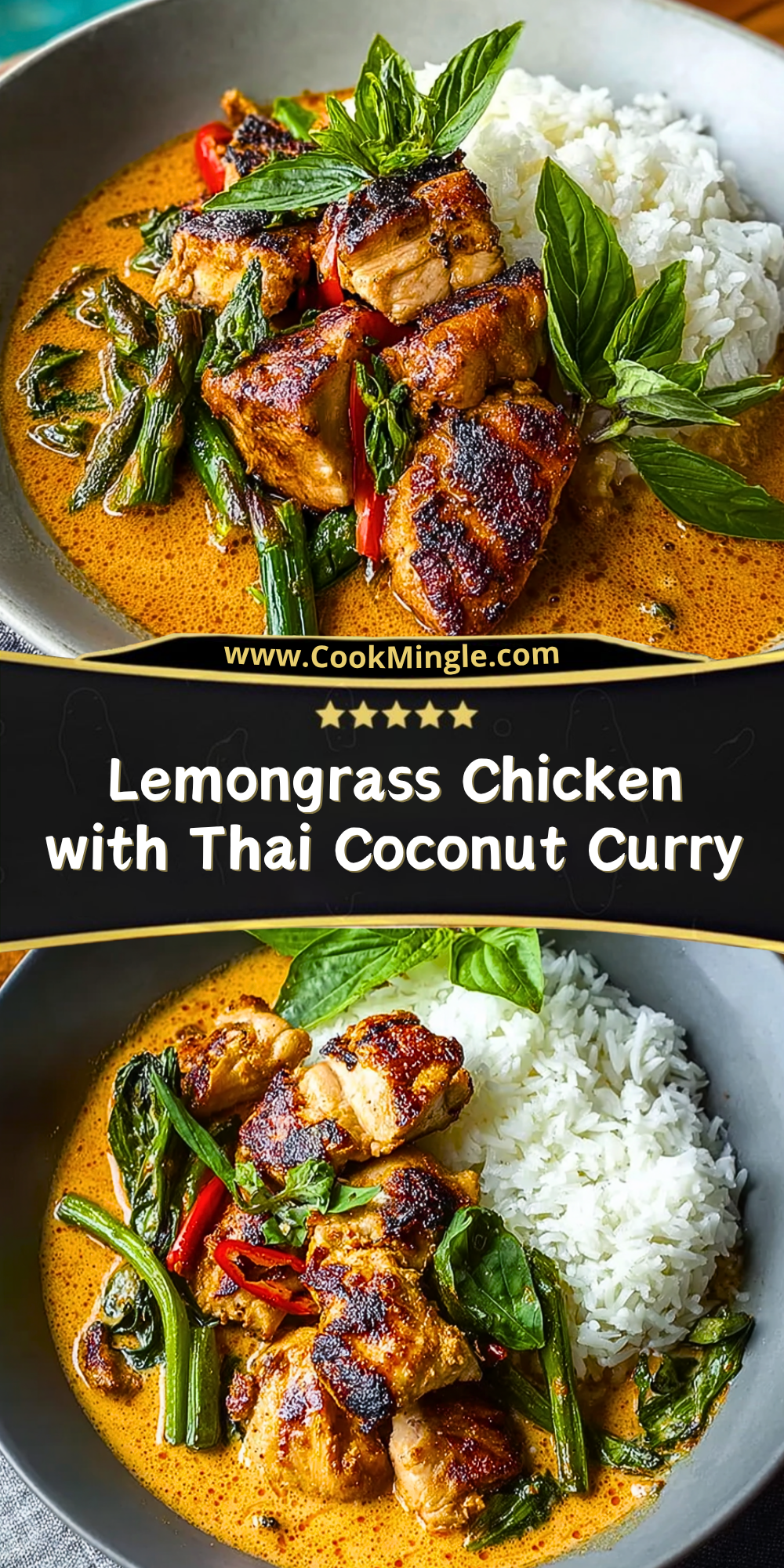
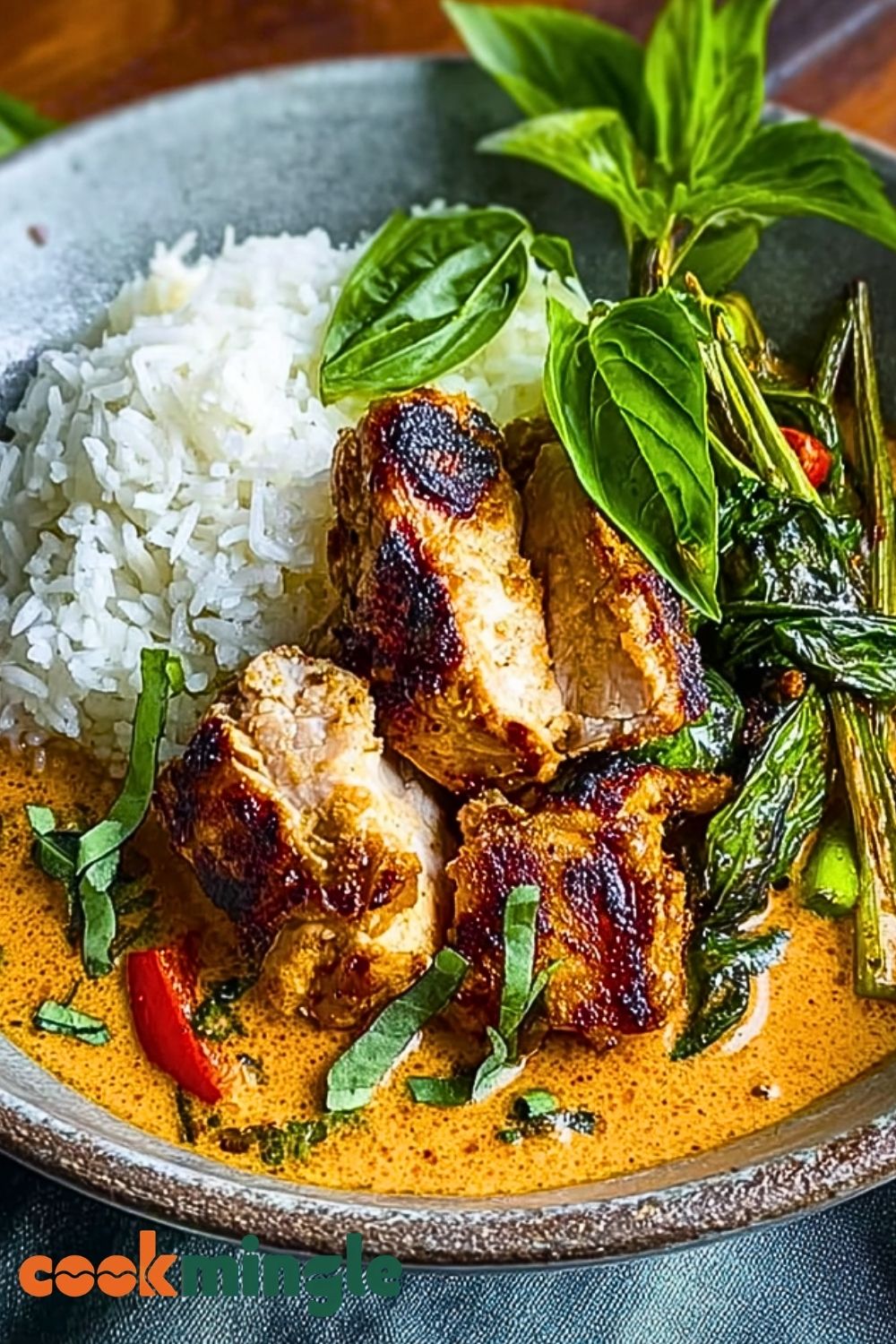
The aroma of lemongrass instantly sets the tone for this vibrant and comforting dish. Tender, golden-seared chicken pieces are bathed in a silky Thai coconut curry sauce that’s rich, slightly spicy, and beautifully balanced with citrusy freshness. Paired with fluffy white rice and crisp green vegetables, every bite feels both indulgent and refreshing at the same time.
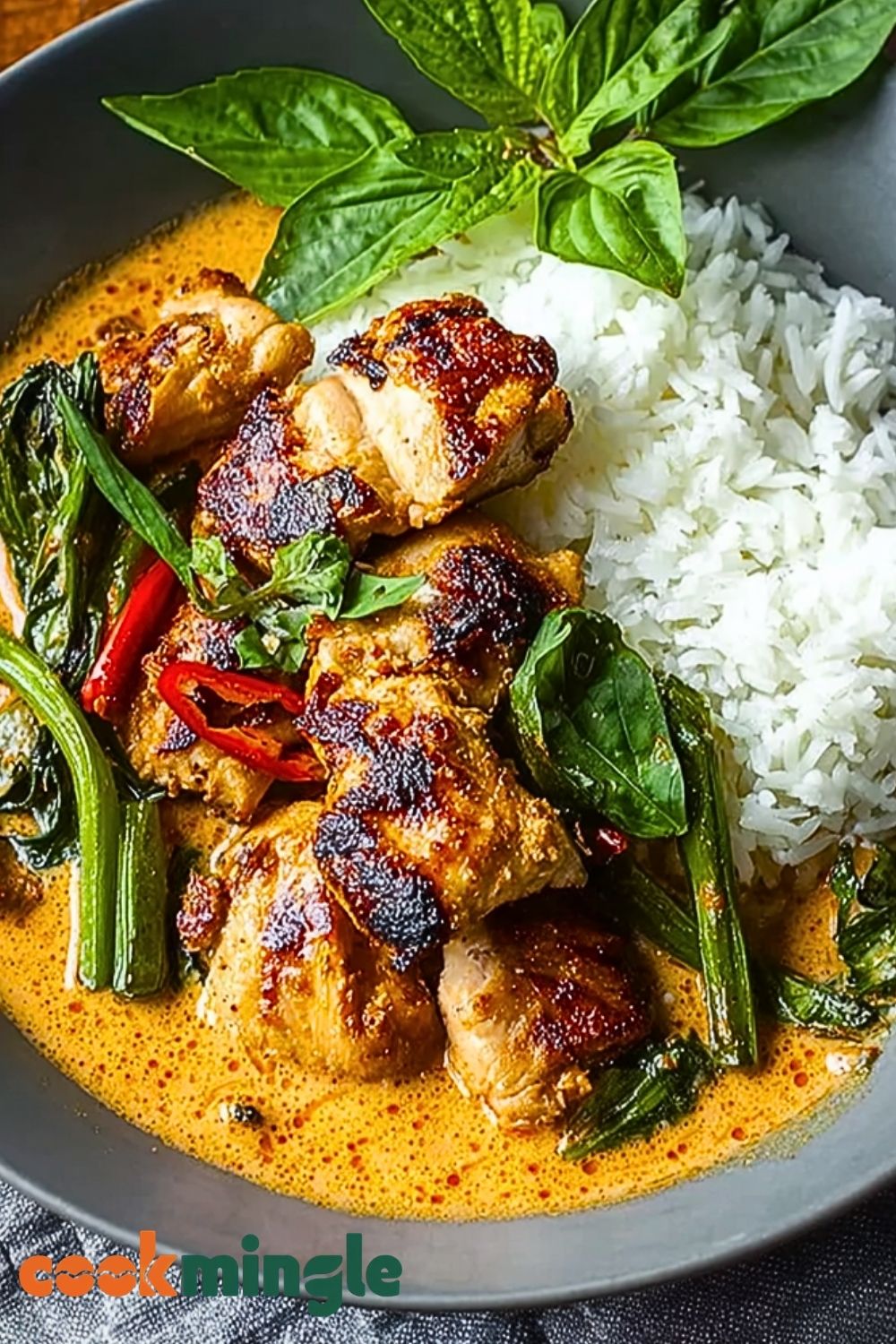
This dish brings together the essence of Thai-inspired cooking in a way that’s approachable for home kitchens. The creamy coconut base mellows the bold spices, while fresh herbs like basil add a burst of brightness. Whether you’re craving a cozy dinner or something impressive yet simple to serve, this recipe delivers bold flavor with minimal fuss.
Why You’ll Love This Lemongrass Chicken with Thai Coconut Curry
You’ll appreciate how this dish strikes a perfect balance between creamy, savory, and aromatic flavors. It’s quick enough for a weeknight meal yet special enough for guests. The ingredients are flexible, allowing you to adjust spice levels or swap vegetables easily. Plus, it’s a one-pan style meal that keeps cleanup simple while still delivering restaurant-quality results.
Preparation Phase & Tools to Use (Essential Tools and Equipment, and the Importance of Each Tool)
To prepare this dish efficiently, having the right tools makes a noticeable difference. A sharp chef’s knife ensures clean cuts of chicken and vegetables, which helps them cook evenly. A sturdy cutting board provides stability and safety during prep. Use a large skillet or wok to allow enough space for searing the chicken properly without overcrowding—this helps achieve that desirable golden crust. A wooden spoon or silicone spatula is ideal for stirring without damaging your cookware, and measuring cups and spoons ensure the curry sauce is well-balanced. Finally, a rice cooker or saucepan is essential for perfectly cooked rice to serve alongside the curry.
Preparation Tips
Start by prepping all your ingredients before turning on the heat, as this dish comes together quickly once cooking begins. Slice the chicken evenly to ensure consistent cooking, and lightly bruise the lemongrass to release its oils for maximum flavor. When cooking the curry, keep the heat at a gentle simmer to prevent the coconut milk from separating. Taste as you go, adjusting seasoning with fish sauce, lime juice, or a pinch of sugar to achieve that classic Thai balance of salty, sweet, sour, and spicy.
Ingredients for this Lemongrass Chicken with Thai Coconut Curry
For the Chicken Marinade
- 500g (1 lb) boneless, skinless chicken thighs or breasts, sliced into strips
- 2 stalks fresh lemongrass (white part only, finely minced)
- 3 cloves garlic, minced
- 1 tablespoon fish sauce
- 1 tablespoon soy sauce
- 1 teaspoon brown sugar
- 1 teaspoon fresh grated ginger
- 1 tablespoon vegetable oil
For the Thai Coconut Curry Sauce
- 1 tablespoon vegetable oil
- 2 tablespoons Thai red curry paste (adjust to taste)
- 1 can (400 ml) full-fat coconut milk
- 1/2 cup chicken broth
- 1 tablespoon fish sauce
- 1 teaspoon palm sugar or brown sugar
- 1 tablespoon lime juice (freshly squeezed)
Vegetables & Add-ins
- 1 cup asparagus or green beans, trimmed
- 1 red bell pepper, sliced
- 1/2 onion, sliced
- 1 cup fresh spinach or Thai basil leaves
For Serving
- 2 cups cooked jasmine rice
- Fresh basil leaves (for garnish)
- Lime wedges
Step 1: Marinate the Chicken
In a bowl, combine lemongrass, garlic, fish sauce, soy sauce, brown sugar, ginger, and oil. Add the chicken and mix thoroughly until well coated. Cover and let it marinate for at least 20–30 minutes. For deeper flavor, refrigerate for up to 2 hours.
Step 2: Prepare the Rice
While the chicken marinates, cook jasmine rice according to package instructions. Fluff with a fork and keep warm. Properly cooked rice should be light, fluffy, and not sticky.
Step 3: Sear the Chicken
Heat a large skillet or wok over medium-high heat. Add a small amount of oil, then place the marinated chicken pieces in a single layer. Sear for 3–4 minutes per side until golden brown and slightly charred. Remove and set aside. Avoid overcrowding to maintain proper browning.
Step 4: Build the Curry Base
In the same pan, reduce heat to medium. Add oil if needed, then stir in the red curry paste. Cook for 1–2 minutes until fragrant and slightly darkened, which helps release the essential oils and deepen flavor.
Step 5: Add Coconut Milk and Broth
Slowly pour in the coconut milk while stirring to combine with the curry paste. Add chicken broth and bring to a gentle simmer. Stir continuously to create a smooth, creamy sauce.
Step 6: Season the Sauce
Add fish sauce and sugar, then taste and adjust. You’re aiming for a balance of salty, sweet, and spicy. Let the sauce simmer for 3–5 minutes until slightly thickened.
Step 7: Cook the Vegetables
Add the onion, bell pepper, and asparagus (or green beans) into the curry. Cook for 4–5 minutes until tender-crisp. This keeps the vegetables vibrant and slightly crunchy.
Step 8: Combine Chicken and Sauce
Return the seared chicken to the pan. Stir well to coat the chicken in the curry sauce. Let it simmer for another 5–7 minutes until the chicken is fully cooked and infused with flavor.
Step 9: Finish with Fresh Elements
Turn off the heat and stir in spinach or Thai basil leaves until just wilted. Add lime juice for brightness and give everything a final stir.
Step 10: Serve and Garnish
Serve the lemongrass chicken curry over warm jasmine rice. Garnish with fresh basil leaves and lime wedges on the side. Optionally, drizzle a little extra coconut milk on top for a richer presentation.
Notes
This Lemongrass Chicken with Thai Coconut Curry is highly adaptable, making it suitable for a variety of dietary preferences and ingredient availability. Chicken thighs are recommended for their juiciness and flavor, but chicken breast works well if you prefer a leaner option. The curry paste you choose will significantly influence the dish’s spice level and depth, so feel free to experiment with different brands or even homemade paste. Fresh herbs like Thai basil elevate the dish, but regular basil can be used as a substitute without compromising too much on flavor. If you prefer a thicker curry, allow it to simmer a bit longer or reduce the broth slightly.
Watch Out for These Mistakes While Cooking
One common mistake is cooking the chicken straight from the marinade without shaking off excess liquid, which can prevent proper searing. Overcrowding the pan is another issue, as it causes the chicken to steam instead of developing a golden crust. Avoid boiling the coconut milk too aggressively, as it may split and lose its creamy texture. Adding lime juice too early can also dull its brightness—always add it at the end. Lastly, under-seasoning is a frequent oversight; always taste and adjust before serving.
Storage Instructions
Store any leftovers in an airtight container in the refrigerator for up to 3–4 days. When reheating, use low to medium heat to preserve the creamy texture of the coconut curry. You may need to add a splash of water or broth to loosen the sauce as it thickens over time. This dish can also be frozen for up to 2 months, though the texture of the vegetables may soften slightly upon thawing. For best results, freeze the curry and rice separately and reheat gently.
Estimated Nutrition
- Calories: ~450–550 per serving
- Protein: 30–35g
- Carbohydrates: 35–45g
- Fat: 20–25g
- Saturated Fat: 12–15g
- Fiber: 3–5g
- Sugar: 5–8g
- Sodium: 600–800mg
Frequently Asked Questions
Can I make this dish vegetarian?
Yes, simply replace the chicken with tofu, tempeh, or a mix of hearty vegetables like mushrooms and eggplant. Use soy sauce instead of fish sauce or opt for a vegetarian fish sauce alternative.
What can I use instead of lemongrass?
If fresh lemongrass isn’t available, you can use lemongrass paste or substitute with a mix of lemon zest and a small amount of ginger for a similar citrusy aroma.
How spicy is this curry?
The spice level depends on the curry paste used. Start with a smaller amount and gradually increase to suit your heat preference.
Can I use light coconut milk?
Yes, but the curry will be less rich and creamy. Full-fat coconut milk is recommended for the best texture and flavor.
What other vegetables work well in this dish?
Broccoli, zucchini, snap peas, carrots, and baby corn are all great additions or substitutions.
How do I prevent the coconut milk from curdling?
Keep the heat at a gentle simmer and avoid rapid boiling. Stir regularly to maintain a smooth consistency.
Can I prepare this dish ahead of time?
Absolutely. The flavors often deepen after a day, making it a great make-ahead meal. Just reheat gently before serving.
What type of rice pairs best with this curry?
Jasmine rice is ideal due to its fragrance and soft texture, but basmati or even brown rice can also be used.
Conclusion
Lemongrass Chicken with Thai Coconut Curry is a beautifully balanced dish that delivers bold flavors with comforting textures. From the aromatic marinade to the creamy, spiced curry sauce, each component works harmoniously to create a meal that feels both special and satisfying. Whether you’re cooking for yourself or entertaining guests, this recipe offers a reliable way to bring vibrant, Thai-inspired flavors to your table with ease.
Lemongrass Chicken with Thai Coconut Curry
- Total Time: 55 minutes
- Yield: 4 servings
Description
A bold and comforting dish that brings together juicy lemongrass-marinated chicken and a rich, creamy Thai coconut curry sauce. This easy dinner idea is packed with vibrant flavors, fresh herbs, and a perfect balance of spice and creaminess. Served over fluffy jasmine rice, it’s a satisfying meal that works as a quick dinner, healthy comfort food, or impressive dish for guests.
Ingredients
500 g chicken thighs or breasts
2 stalks lemongrass (minced)
3 cloves garlic (minced)
1 tablespoon fish sauce
1 tablespoon soy sauce
1 teaspoon brown sugar
1 teaspoon ginger (grated)
1 tablespoon vegetable oil
1 tablespoon vegetable oil (for cooking)
2 tablespoons Thai red curry paste
400 ml coconut milk
1/2 cup chicken broth
1 tablespoon fish sauce (for sauce)
1 teaspoon palm sugar
1 tablespoon lime juice
1 cup asparagus or green beans
1 red bell pepper (sliced)
1/2 onion (sliced)
1 cup spinach or Thai basil
2 cups jasmine rice (cooked)
Fresh basil (for garnish)
Lime wedges
Instructions
1. Combine lemongrass, garlic, fish sauce, soy sauce, sugar, ginger, and oil, then coat the chicken and marinate for 20–30 minutes.
2. Cook jasmine rice according to package instructions and set aside.
3. Heat oil in a skillet and sear chicken until golden and slightly charred, then remove.
4. In the same pan, cook curry paste for 1–2 minutes until fragrant.
5. Add coconut milk and broth, stirring until smooth and simmering.
6. Season with fish sauce and sugar, adjusting to taste.
7. Add vegetables and cook until tender-crisp.
8. Return chicken to the pan and simmer until fully cooked.
9. Stir in basil or spinach and finish with lime juice.
10. Serve over rice and garnish with fresh herbs and lime wedges.
Notes
Use chicken thighs for juicier results and better flavor.
Keep the curry at a gentle simmer to prevent coconut milk from separating.
Always add lime juice at the end to maintain its fresh, bright flavor.
- Prep Time: 30 minutes
- Cook Time: 25 minutes
- Category: Dinner
- Method: Stovetop
- Cuisine: Thai-inspired
Nutrition
- Serving Size: 1 serving
- Calories: 500
- Sugar: 6g
- Sodium: 700mg
- Fat: 22g
- Saturated Fat: 13g
- Unsaturated Fat: 7g
- Trans Fat: 0g
- Carbohydrates: 40g
- Fiber: 4g
- Protein: 32g
- Cholesterol: 85mg