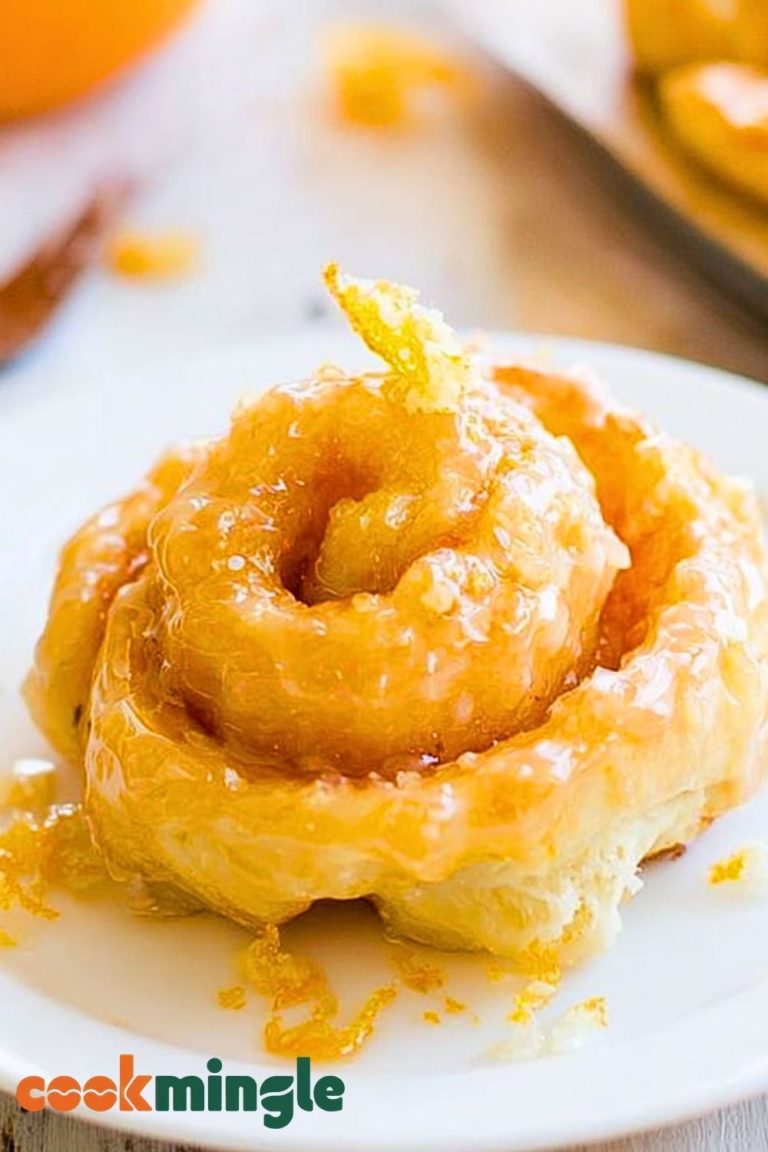
I still remember the first time I baked these Homemade Glazed Orange Rolls on a quiet weekend morning. The warm citrus aroma drifting through the kitchen instantly made the whole house feel brighter and more inviting. Every soft swirl is packed with buttery dough, sweet orange flavor, and a glossy glaze that melts perfectly into every layer.
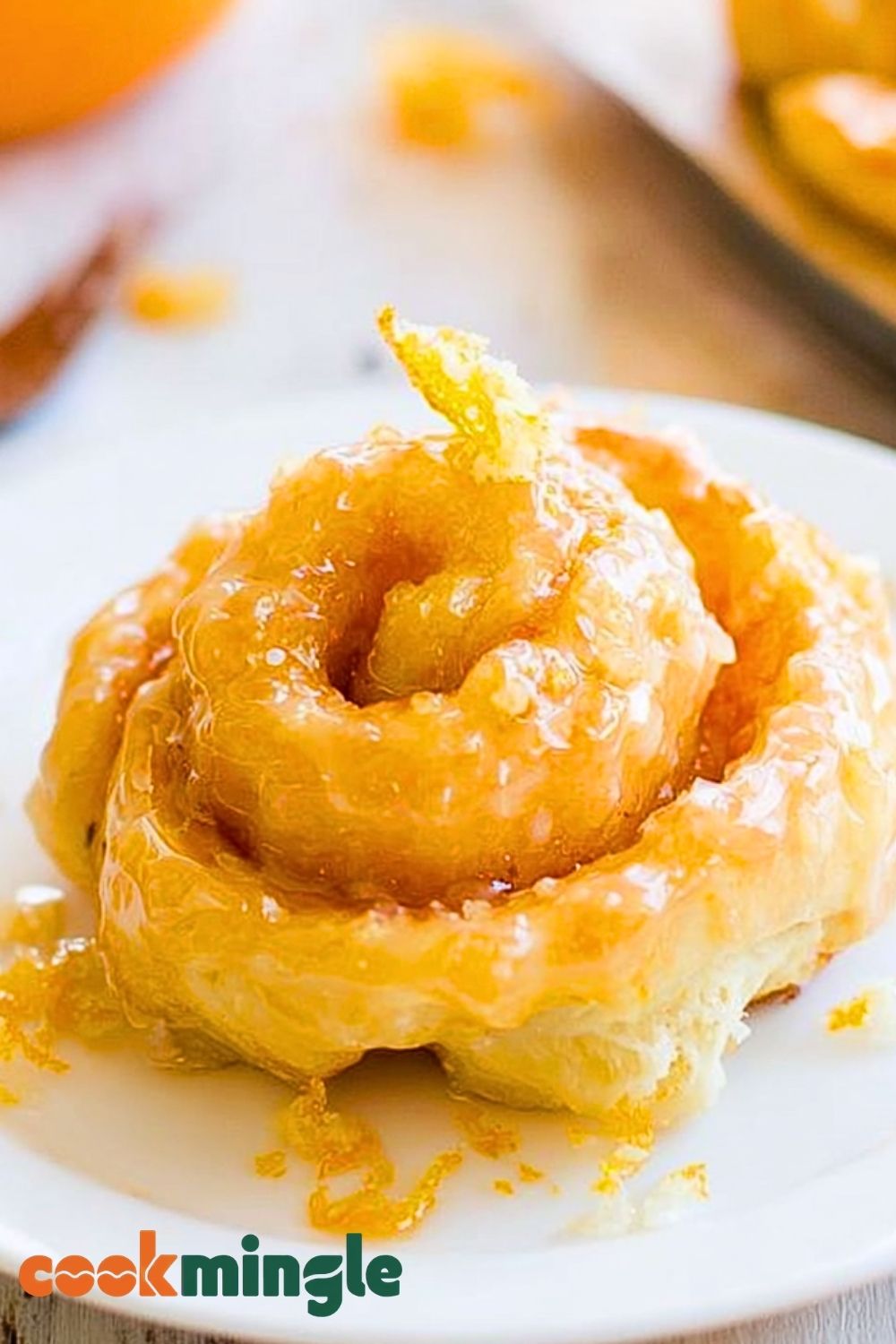
What I love most about these rolls is how comforting and fresh they taste at the same time. They have the cozy softness of classic cinnamon rolls but with a vibrant orange twist that makes them feel lighter and extra special. Whether I’m serving them for brunch, holidays, or a simple family breakfast, they never last long on the table.
In this post
- Why You’ll Love This Homemade Glazed Orange Rolls Recipe
- What Kind of Oranges Should I Use for Homemade Glazed Orange Rolls?
- Options for Substitutions
- Ingredients for This Homemade Glazed Orange Rolls Recipe
- Activate the Yeast
- Prepare the Dough
- Let the Dough Rise
- Prepare the Orange Filling
- Roll Out the Dough
- Spread the Filling
- Roll and Slice the Dough
- Arrange the Rolls in the Baking Dish
- Bake Until Golden
- Prepare the Orange Glaze
- Glaze the Warm Rolls
- Serve and Enjoy
- How Long to Prepare Homemade Glazed Orange Rolls
- Tips for Perfect Homemade Glazed Orange Rolls
- Watch Out for These Mistakes While Cooking
- What to Serve With Homemade Glazed Orange Rolls?
- Storage Instructions
- Estimated Nutrition
- Frequently Asked Questions
- Conclusion
Why You’ll Love This Homemade Glazed Orange Rolls Recipe
These orange rolls are incredibly soft and fluffy, with a rich homemade texture that tastes bakery-quality straight from your oven. The bright citrus filling balances beautifully with the sweet glaze, creating a flavor that feels both refreshing and indulgent.
Another reason these rolls stand out is their versatility. They fit perfectly into breakfast spreads, brunch gatherings, or dessert tables. The dough is easy to work with, and the orange glaze adds a gorgeous finish that makes every roll look irresistible.
If you enjoy recipes that fill your kitchen with comforting aromas while still feeling fresh and vibrant, these Homemade Glazed Orange Rolls will quickly become a favorite.
What Kind of Oranges Should I Use for Homemade Glazed Orange Rolls?
Fresh oranges are the best choice for this recipe because both the juice and zest bring natural citrus flavor into the dough and glaze. Navel oranges are especially popular since they are sweet, juicy, and easy to zest.
Valencia oranges also work beautifully if you want a slightly brighter and tangier flavor. If you prefer a stronger citrus taste, you can even mix in a little mandarin or blood orange zest for extra depth.
Bottled orange juice can work in a pinch, but freshly squeezed juice creates a much fresher and more vibrant result. The natural oils from the zest are what truly make these orange rolls taste homemade and flavorful.
Options for Substitutions
If you need to make adjustments, there are several easy substitutions that still produce delicious Homemade Glazed Orange Rolls.
For the milk, whole milk creates the richest dough, but almond milk or oat milk can be used for a dairy-free option. Butter can also be replaced with plant-based butter if needed.
You can substitute brown sugar for white sugar in the filling if you want a deeper caramel-like sweetness. Lemon zest may also be combined with orange zest for a mixed citrus flavor.
For the glaze, cream cheese can be added to create a thicker frosting-style topping. If you prefer a lighter glaze, simply use powdered sugar and fresh orange juice.
Even store-bought dough can work when you’re short on time, though homemade dough gives the rolls their signature soft and fluffy texture.
Ingredients for This Homemade Glazed Orange Rolls Recipe
All-Purpose Flour
Flour creates the structure for the dough and gives the orange rolls their soft, fluffy texture. Using enough flour helps the dough stay light while still being sturdy enough to roll and shape.
Active Dry Yeast
Yeast is essential for helping the dough rise and develop its airy bakery-style texture. It creates the soft layers that make every bite tender and pillowy.
Warm Milk
Warm milk activates the yeast and adds richness to the dough. It also helps create a softer texture and keeps the rolls moist after baking.
Granulated Sugar
Sugar sweetens the dough and enhances the natural orange flavor. It also helps feed the yeast, improving the rise and overall texture.
Unsalted Butter
Butter adds richness and flavor while creating a soft and tender dough. It also melts into the filling, making the swirls extra gooey and delicious.
Eggs
Eggs provide structure, moisture, and richness. They help create a smooth dough with a soft and fluffy interior.
Orange Zest
Fresh orange zest is one of the most important ingredients in this recipe. It provides concentrated citrus oils that give the rolls their vibrant flavor and aroma.
Fresh Orange Juice
Orange juice adds fresh citrus flavor to both the filling and the glaze. It brightens the sweetness and gives the rolls their signature taste.
Brown Sugar
Brown sugar creates a rich and slightly caramelized filling that pairs perfectly with the orange flavor.
Ground Cinnamon
A touch of cinnamon adds warmth and depth without overpowering the citrus notes.
Salt
Salt balances the sweetness and enhances all the flavors throughout the dough and filling.
Powdered Sugar
Powdered sugar forms the base of the smooth glaze that coats the warm rolls.
Vanilla Extract
Vanilla adds warmth and depth to the glaze while complementing the citrus flavor beautifully.
Step 1: Activate the Yeast
Begin by warming the milk until it is slightly warm but not hot. Stir in a small amount of sugar, then sprinkle the yeast over the top. Let the mixture sit for several minutes until it becomes foamy.
This step is important because active yeast ensures the dough rises properly and develops a soft texture. If the yeast does not foam, the milk may have been too hot or the yeast may no longer be active.
Step 2: Prepare the Dough
In a large mixing bowl, combine the flour, remaining sugar, and salt. Add the yeast mixture, softened butter, eggs, and fresh orange zest.
Mix everything together until a shaggy dough begins to form. Continue kneading until the dough becomes smooth, elastic, and slightly tacky.
The kneading process develops gluten, which gives the orange rolls their fluffy and chewy texture. Proper kneading also helps the dough rise evenly.
Step 3: Let the Dough Rise
Transfer the dough to a lightly greased bowl and cover it with a clean towel or plastic wrap. Place it in a warm area and allow it to rise until doubled in size.
This resting period allows the yeast to create air pockets throughout the dough, resulting in soft and airy rolls.
If your kitchen is cool, placing the bowl inside a slightly warm oven can help encourage a better rise.
Step 4: Prepare the Orange Filling
In a separate bowl, combine softened butter, brown sugar, cinnamon, orange zest, and a little orange juice.
Mix until the filling becomes smooth and spreadable. The combination of butter and sugar creates the gooey center that makes homemade orange rolls irresistible.
The orange zest adds a fresh citrus fragrance that becomes even stronger while baking.
Step 5: Roll Out the Dough
Once the dough has doubled in size, place it onto a lightly floured surface. Roll it into a large rectangle with an even thickness.
Rolling the dough evenly helps ensure all the rolls bake at the same rate and maintain a uniform texture.
Avoid adding too much flour during this step so the dough stays soft and tender.
Step 6: Spread the Filling
Spread the prepared orange filling evenly across the surface of the dough, reaching all the edges.
An even layer ensures every bite contains the perfect amount of citrus flavor and sweetness. The filling will melt while baking, creating soft gooey layers inside each roll.
Step 7: Roll and Slice the Dough
Starting from the long side, tightly roll the dough into a log shape. Use gentle pressure to keep the spiral even without squeezing out the filling.
Slice the dough into equal-sized rolls using a sharp knife or unflavored dental floss. Even slices help the rolls bake consistently.
You should begin to see beautiful orange swirls throughout each piece.
Step 8: Arrange the Rolls in the Baking Dish
Place the sliced rolls into a greased baking dish, leaving a little space between each one.
As the rolls rise and bake, they will expand and create soft pull-apart edges.
Cover the dish loosely and allow the rolls to rise again until puffy.
This second rise is essential for achieving extra fluffy homemade orange rolls.
Step 9: Bake Until Golden
Bake the orange rolls in a preheated oven until the tops become lightly golden and the centers are fully cooked.
During baking, the butter and sugar filling melts into the dough while the orange aroma fills the kitchen.
Avoid overbaking, as this can dry out the rolls and reduce their softness.
Step 10: Prepare the Orange Glaze
While the rolls are still warm, whisk together powdered sugar, fresh orange juice, vanilla extract, and optional orange zest.
The glaze should be smooth and pourable. If it becomes too thick, add a little more orange juice.
Fresh orange juice gives the glaze a bright citrus flavor that perfectly complements the sweet rolls.
Step 11: Glaze the Warm Rolls
Pour the glaze generously over the warm orange rolls so it melts slightly into the swirls.
The warmth of the rolls allows the glaze to seep into every layer, creating extra moisture and flavor.
For a stronger citrus finish, sprinkle additional orange zest over the top before serving.
Step 12: Serve and Enjoy
Serve the Homemade Glazed Orange Rolls while warm for the best texture and flavor.
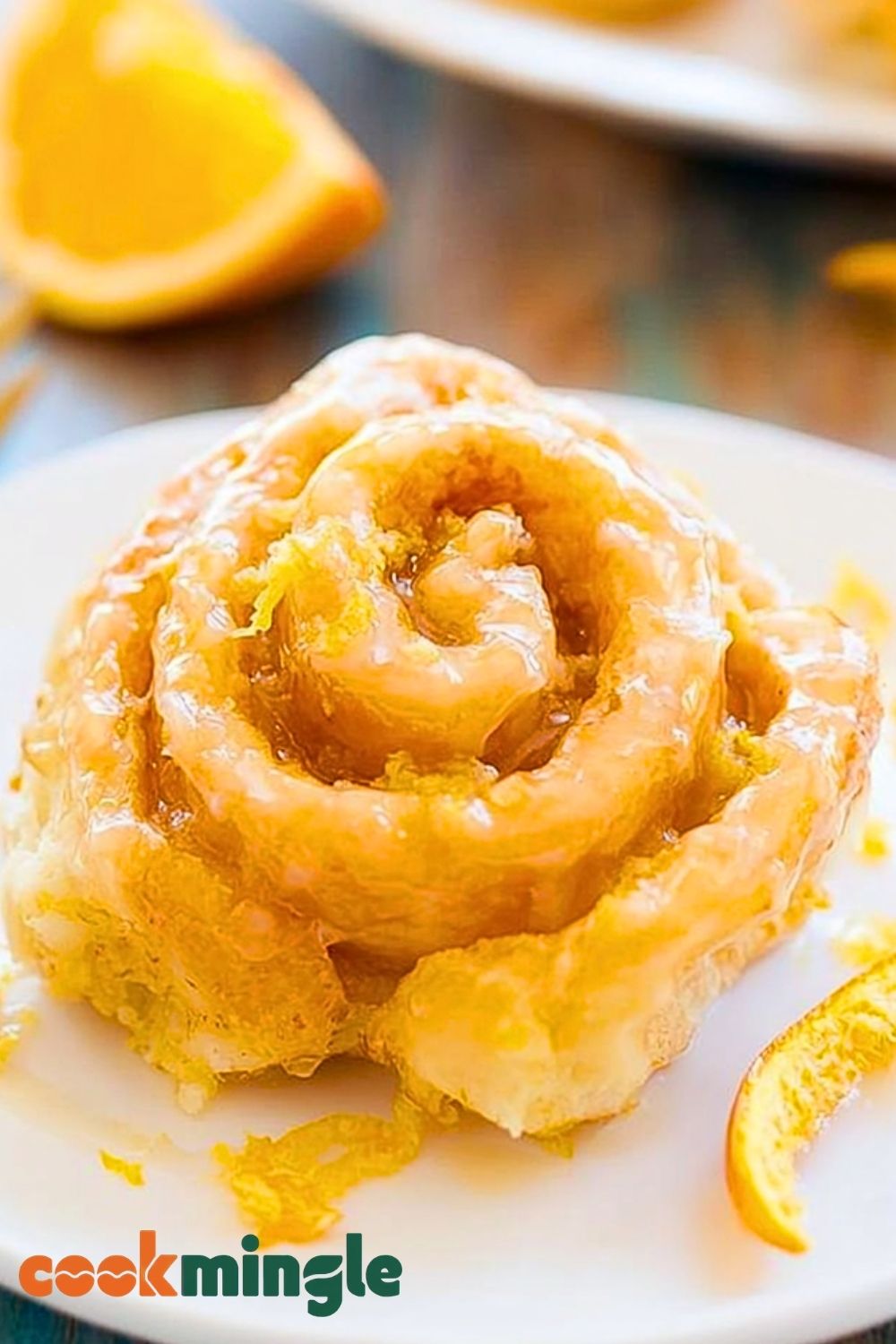
The soft dough, gooey filling, and sweet orange glaze create a bakery-style treat that works perfectly for breakfast, brunch, holidays, or dessert.
These rolls pair wonderfully with coffee, tea, milk, or fresh fruit and are best enjoyed fresh from the oven.
How Long to Prepare Homemade Glazed Orange Rolls
Making Homemade Glazed Orange Rolls does take a little time, but most of the process is hands-off while the dough rises. The preparation stage usually takes around 25 to 35 minutes, depending on your experience with working dough. During this time, you’ll mix the ingredients, knead the dough, prepare the orange filling, and shape the rolls.
The dough also needs enough time to rise properly so the rolls become soft and fluffy. The first rise generally takes about 1 to 1½ hours, while the second rise after shaping usually takes another 30 to 45 minutes. Baking typically requires 20 to 25 minutes, giving the rolls enough time to turn lightly golden while staying soft in the center.
If you want to save time in the morning, you can prepare the rolls the night before and refrigerate them overnight after shaping. The next day, simply let them sit at room temperature for a short time before baking.
Overall, while these Homemade Glazed Orange Rolls require patience, the final result is absolutely worth the effort. The fresh citrus aroma, soft texture, and sweet glaze make them feel truly homemade and special.
Tips for Perfect Homemade Glazed Orange Rolls
Use Fresh Orange Zest
Freshly grated orange zest gives the rolls their strongest and most natural citrus flavor. Avoid dried zest whenever possible because it lacks the same fragrant oils.
Don’t Overheat the Milk
Warm milk helps activate the yeast, but milk that is too hot can kill it. The milk should feel warm to the touch rather than steaming.
Knead the Dough Properly
A smooth and elastic dough creates soft and fluffy rolls. Kneading long enough develops the gluten structure needed for the perfect texture.
Allow Enough Rising Time
Patience is important when making yeast dough. Rushing the rise can result in dense rolls instead of light and airy ones.
Roll the Dough Evenly
Keeping the dough evenly rolled ensures consistent baking and beautiful swirls throughout every orange roll.
Glaze While Warm
Pouring the glaze over warm rolls helps it melt slightly into the layers, creating extra moisture and flavor.
Avoid Too Much Flour
Adding excessive flour while rolling the dough can make the finished rolls dry instead of soft.
Use Room Temperature Ingredients
Butter and eggs mix more evenly into the dough when they are not cold, helping create a smoother texture.
Watch Out for These Mistakes While Cooking
Using Expired Yeast
Inactive yeast prevents the dough from rising properly and can leave the rolls dense and heavy.
Overbaking the Rolls
Leaving the rolls in the oven too long can dry them out quickly. Remove them once the tops are lightly golden.
Skipping the Second Rise
The second rise is essential for soft and fluffy orange rolls. Skipping it often leads to tight and dense layers.
Adding Too Much Flour
Too much flour creates stiff dough that loses its soft bakery-style texture.
Not Sealing the Dough Roll
If the dough is rolled too loosely, the swirls can separate while baking.
Using Bottled Juice Only
Fresh oranges provide the brightest flavor. Bottled juice alone may taste flat compared to fresh juice and zest.
Pouring Glaze on Cold Rolls
Cold rolls prevent the glaze from soaking into the layers properly.
Cutting Uneven Rolls
Uneven slices bake inconsistently, leaving some rolls overcooked while others remain underbaked.
What to Serve With Homemade Glazed Orange Rolls?
Fresh Fruit Salad
A light fruit salad balances the sweetness of the orange rolls beautifully. Berries, melon, grapes, and citrus slices create a refreshing side.
Hot Coffee
The slight bitterness of coffee pairs perfectly with the sweet orange glaze and buttery dough.
Scrambled Eggs
Soft scrambled eggs add a savory contrast that works especially well for breakfast or brunch.
Vanilla Yogurt
Creamy yogurt complements the citrus flavor while adding a lighter element to the meal.
Crispy Bacon or Sausage
Savory breakfast meats balance the sweetness of the rolls and make the meal more filling.
Storage Instructions
Storing at Room Temperature
Homemade Glazed Orange Rolls can be stored in an airtight container at room temperature for up to 2 days. Keeping them covered helps preserve their softness and prevents them from drying out.
Refrigerating the Rolls
For longer storage, refrigerate the rolls in a sealed container for up to 5 days. Before serving, warm them slightly in the microwave or oven to restore their soft texture.
Freezing Instructions
These orange rolls freeze very well. Place the cooled rolls into a freezer-safe container and freeze for up to 2 months.
You can freeze them either glazed or unglazed, though adding fresh glaze after reheating often gives the best flavor and texture.
Reheating Tips
To reheat, microwave individual rolls for a few seconds or warm them in a low-temperature oven until soft and heated through.
Adding a small extra drizzle of orange glaze after reheating can refresh the flavor beautifully.
Estimated Nutrition
Calories
Homemade Glazed Orange Rolls are a rich and indulgent treat, with each roll typically containing a moderate amount of calories depending on size and glaze quantity.
Carbohydrates
The dough, sugar, and glaze contribute most of the carbohydrates, giving the rolls their soft texture and sweetness.
Protein
Eggs and milk provide a moderate amount of protein in each serving.
Fat
Butter adds richness and contributes to the overall fat content, helping create the tender texture.
Sugar
The glaze and filling contribute sweetness, while the fresh orange flavor keeps the rolls balanced instead of overly sugary.
Fiber
Fresh orange zest provides a small amount of fiber and natural citrus oils.
Sodium
Salt helps balance the sweetness and enhances the flavor of the dough.
Frequently Asked Questions
Can I Make Homemade Glazed Orange Rolls Ahead of Time?
Yes, you can prepare the rolls the night before and refrigerate them after shaping. Allow them to come closer to room temperature before baking.
Can I Freeze Orange Rolls?
Absolutely. These rolls freeze very well and can be reheated for a fresh bakery-style texture.
Why Didn’t My Dough Rise Properly?
This usually happens if the yeast was inactive or the milk was too hot. A cold kitchen can also slow down the rising process.
Can I Add Cream Cheese Frosting Instead of Glaze?
Yes, cream cheese frosting pairs wonderfully with orange flavor and creates a richer dessert-style roll.
What Is the Best Orange Variety for This Recipe?
Navel oranges are one of the best choices because they are naturally sweet, juicy, and easy to zest.
Conclusion
Homemade Glazed Orange Rolls bring together soft buttery dough, bright citrus flavor, and a sweet glaze that melts perfectly into every swirl. They feel comforting and fresh at the same time, making them ideal for breakfast, brunch, holidays, or even dessert.
The combination of homemade dough, fragrant orange zest, and glossy glaze creates a bakery-style treat that looks impressive while still feeling warm and inviting. With a little patience and the right techniques, these orange rolls become wonderfully soft, fluffy, and full of flavor.
Whether you’re baking them for family gatherings, special mornings, or simply to enjoy with a cup of coffee, these Homemade Glazed Orange Rolls are the kind of recipe that quickly becomes a favorite.
Homemade Glazed Orange Rolls
- Total Time: 2 hours 30 minutes
- Yield: 12 rolls
- Diet: Vegetarian
Description
Soft, fluffy, and packed with fresh citrus flavor, these Homemade Glazed Orange Rolls are the perfect treat for breakfast, brunch, or dessert. Each roll is filled with buttery orange sugar filling and topped with a sweet homemade orange glaze that melts into every swirl. This easy recipe creates bakery-style rolls with a light texture and vibrant flavor that makes every bite irresistible. Whether you are searching for quick breakfast ideas, easy brunch recipes, homemade sweet rolls, holiday breakfast treats, or comforting food ideas, these glazed orange rolls deliver the perfect balance of sweetness and fresh citrus flavor.
Ingredients
4 cups all-purpose flour
2 ¼ teaspoons active dry yeast
1 cup warm milk
⅓ cup granulated sugar
½ cup unsalted butter
2 large eggs
2 tablespoons orange zest
½ cup fresh orange juice
¾ cup brown sugar
1 teaspoon ground cinnamon
1 teaspoon salt
2 cups powdered sugar
1 teaspoon vanilla extract
Instructions
1. Warm the milk until slightly warm and stir in a small amount of sugar. Sprinkle the yeast over the top and let it sit until foamy.
2. In a large bowl, combine the flour, remaining sugar, and salt. Add the yeast mixture, eggs, butter, and orange zest.
3. Mix until a dough forms, then knead until smooth and elastic.
4. Place the dough in a greased bowl, cover, and let rise until doubled in size.
5. In another bowl, combine softened butter, brown sugar, cinnamon, orange zest, and orange juice to create the filling.
6. Roll the dough into a large rectangle on a lightly floured surface.
7. Spread the orange filling evenly over the dough.
8. Roll the dough tightly into a log and slice into equal rolls.
9. Arrange the rolls in a greased baking dish and allow them to rise again until puffy.
10. Bake in a preheated oven at 350°F until lightly golden and fully cooked.
11. Whisk together powdered sugar, orange juice, vanilla extract, and additional orange zest for the glaze.
12. Pour the glaze over the warm rolls and serve immediately.
Notes
Fresh orange zest gives the strongest citrus flavor and makes the rolls taste fresher.
Avoid adding too much flour during kneading or rolling so the dough stays soft and fluffy.
Pour the glaze over the rolls while they are still warm so it melts perfectly into the layers.
- Prep Time: 35 minutes
- Cook Time: 25 minutes
- Category: Breakfast
- Method: Baking
- Cuisine: American
Nutrition
- Serving Size: 1 roll
- Calories: 340
- Sugar: 24g
- Sodium: 260mg
- Fat: 11g
- Saturated Fat: 6g
- Unsaturated Fat: 4g
- Trans Fat: 0g
- Carbohydrates: 54g
- Fiber: 2g
- Protein: 6g
- Cholesterol: 55mg