
 Emily Carter
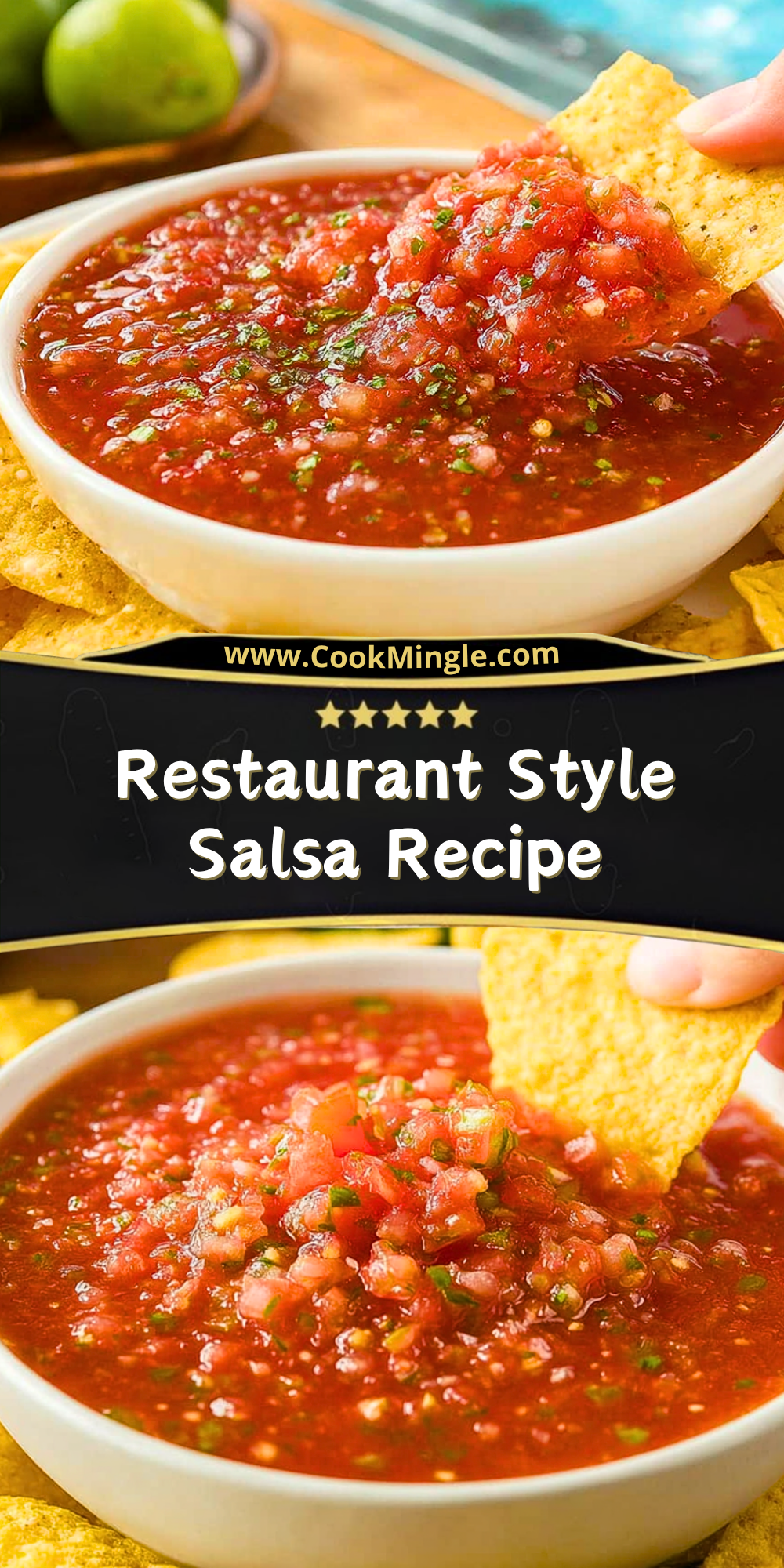
I’ve always believed that a good bowl of salsa can completely change the mood of a meal. The first time I made this Restaurant Style Salsa Recipe at home, I was amazed by how fresh, vibrant, and perfectly balanced it tasted. It reminded me of the salsa served at my favorite Mexican restaurants — smooth yet chunky, bold yet refreshing, and impossible to stop dipping into.
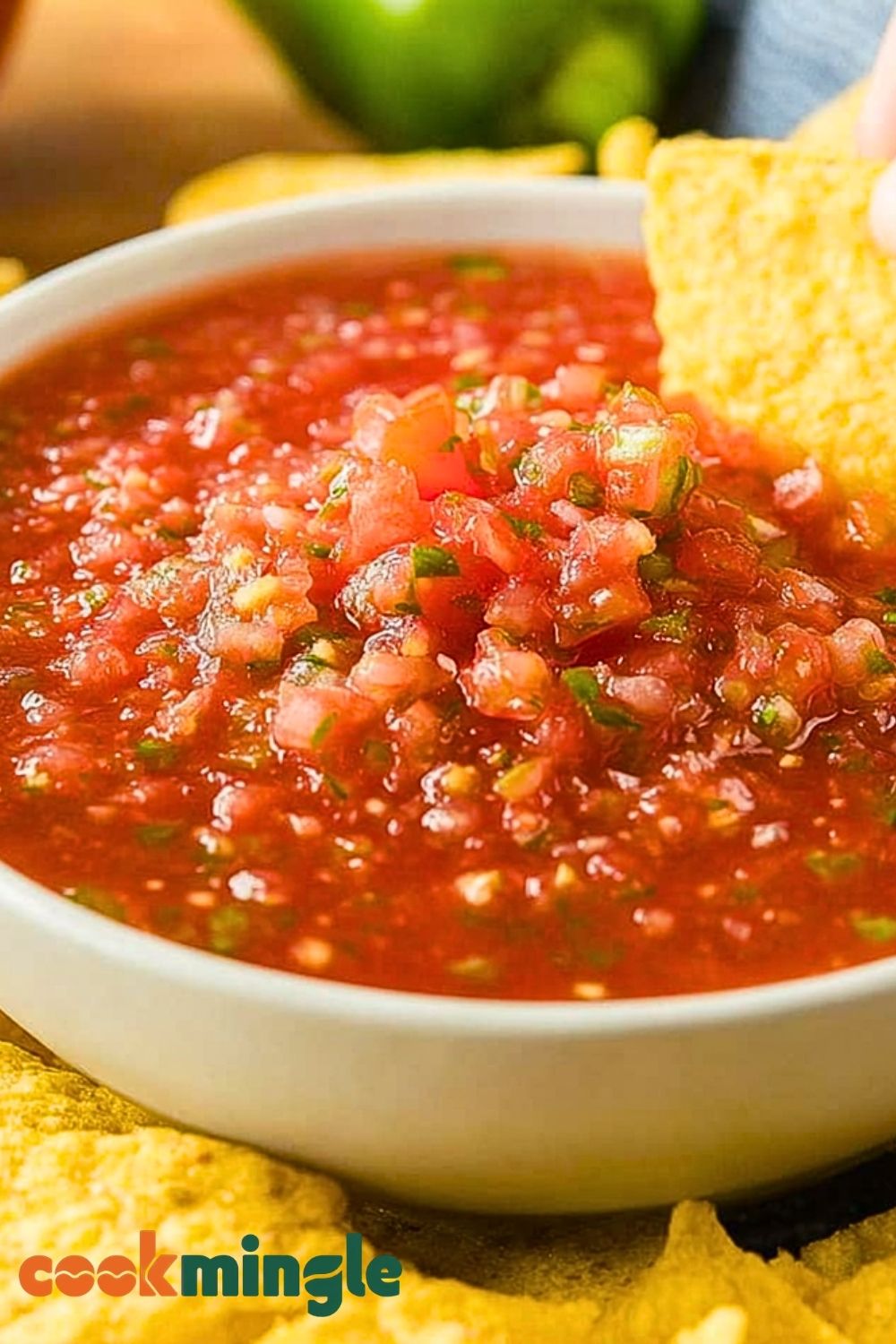
What I love most about this recipe is how quickly it comes together without sacrificing flavor. With a handful of simple ingredients and just a few minutes in the blender or food processor, you can create a homemade salsa that tastes like it came straight from a restaurant kitchen. Whether you’re hosting a party, planning taco night, or simply craving a snack with tortilla chips, this salsa always delivers.
Why You’ll Love This Restaurant Style Salsa Recipe
This Restaurant Style Salsa Recipe is packed with fresh flavor and has the perfect consistency for dipping, spooning, or drizzling over your favorite dishes. It’s easy enough for beginners but delicious enough to impress guests.
One of the biggest reasons I keep making this salsa is because it’s incredibly versatile. You can adjust the spice level, make it chunky or smooth, and customize the flavors to suit your taste. It also pairs beautifully with tacos, burritos, grilled meats, nachos, and even scrambled eggs.
Another thing that makes this recipe special is how budget-friendly it is. Instead of buying store-bought salsa loaded with preservatives, you can make a fresher and more flavorful version right in your own kitchen.
What Kind of Tomatoes Should I Use for Restaurant Style Salsa Recipe?
The type of tomatoes you use can make a noticeable difference in the flavor and texture of your salsa. Many restaurant-style salsa recipes use canned tomatoes because they provide a rich, consistent flavor year-round. Canned whole tomatoes or diced tomatoes are especially popular because they blend smoothly while still offering a vibrant tomato taste.
If you prefer a fresher salsa, ripe Roma tomatoes are an excellent option. They have fewer seeds and less moisture, which helps create a thicker consistency. Vine-ripened tomatoes also work well when they are in season and naturally sweet.
For a deeper flavor, some people like combining fresh and canned tomatoes together. This gives the salsa a balance of freshness and richness that tastes incredibly authentic.
Options for Substitutions
One of the best things about this Restaurant Style Salsa Recipe is how flexible it can be. If you need to swap ingredients based on what you have available, there are plenty of easy substitutions that still deliver amazing flavor.
Instead of white onion, you can use red onion for a slightly sweeter and sharper taste. Green onions also work well if you want a milder flavor.
If cilantro isn’t your favorite herb, parsley can provide a fresh touch without the strong citrusy flavor that cilantro has.
For heat, jalapeños are the classic choice, but serrano peppers can be used if you prefer a spicier salsa. If you want a mild version, simply reduce the peppers or remove the seeds.
Lime juice adds brightness to the salsa, but lemon juice can work in a pinch. You can also experiment with smoked paprika or cumin for extra depth and warmth.
No matter how you customize it, the key is balancing acidity, spice, and freshness so every bite tastes bold and satisfying.
Ingredients for This Restaurant Style Salsa Recipe
Tomatoes
Tomatoes are the heart of this Restaurant Style Salsa Recipe. They create the rich base that gives salsa its classic flavor and vibrant red color. Using canned tomatoes creates a smooth and consistent texture, while fresh tomatoes add brightness and freshness.
Onion
Onion brings sharpness and depth to the salsa. White onion is commonly used in restaurant-style salsa because it has a clean and slightly spicy flavor that balances the sweetness of the tomatoes.
Garlic
Fresh garlic gives the salsa a bold savory taste that makes every bite more flavorful. Even a small amount adds a noticeable layer of richness.
Jalapeño Peppers
Jalapeños provide the signature heat in this salsa recipe. They add spice without overpowering the other ingredients. Removing the seeds creates a milder salsa, while keeping them in gives the salsa more kick.
Cilantro
Cilantro adds freshness and a slightly citrusy flavor that makes the salsa taste authentic and refreshing. It also brightens the overall flavor profile.
Lime Juice
Lime juice adds acidity and balance to the salsa. It enhances the freshness of the tomatoes and helps all the flavors come together beautifully.
Salt
Salt is essential for bringing out the flavors of every ingredient. A small amount can completely transform the taste of homemade salsa.
Cumin
Cumin adds warmth and a subtle smoky flavor that gives the salsa a deeper restaurant-style taste.
Crushed Red Pepper or Serrano Pepper
For those who enjoy extra spice, crushed red pepper or serrano peppers can increase the heat level while adding complexity.
Tomato Juice or Reserved Tomato Liquid
A little tomato juice helps create the thinner consistency often found in restaurant salsa. It allows the salsa to blend smoothly and evenly.
Optional Add-Ins
You can also customize the salsa with ingredients like roasted tomatoes, green chiles, smoked paprika, or even a touch of sugar if your tomatoes are too acidic.
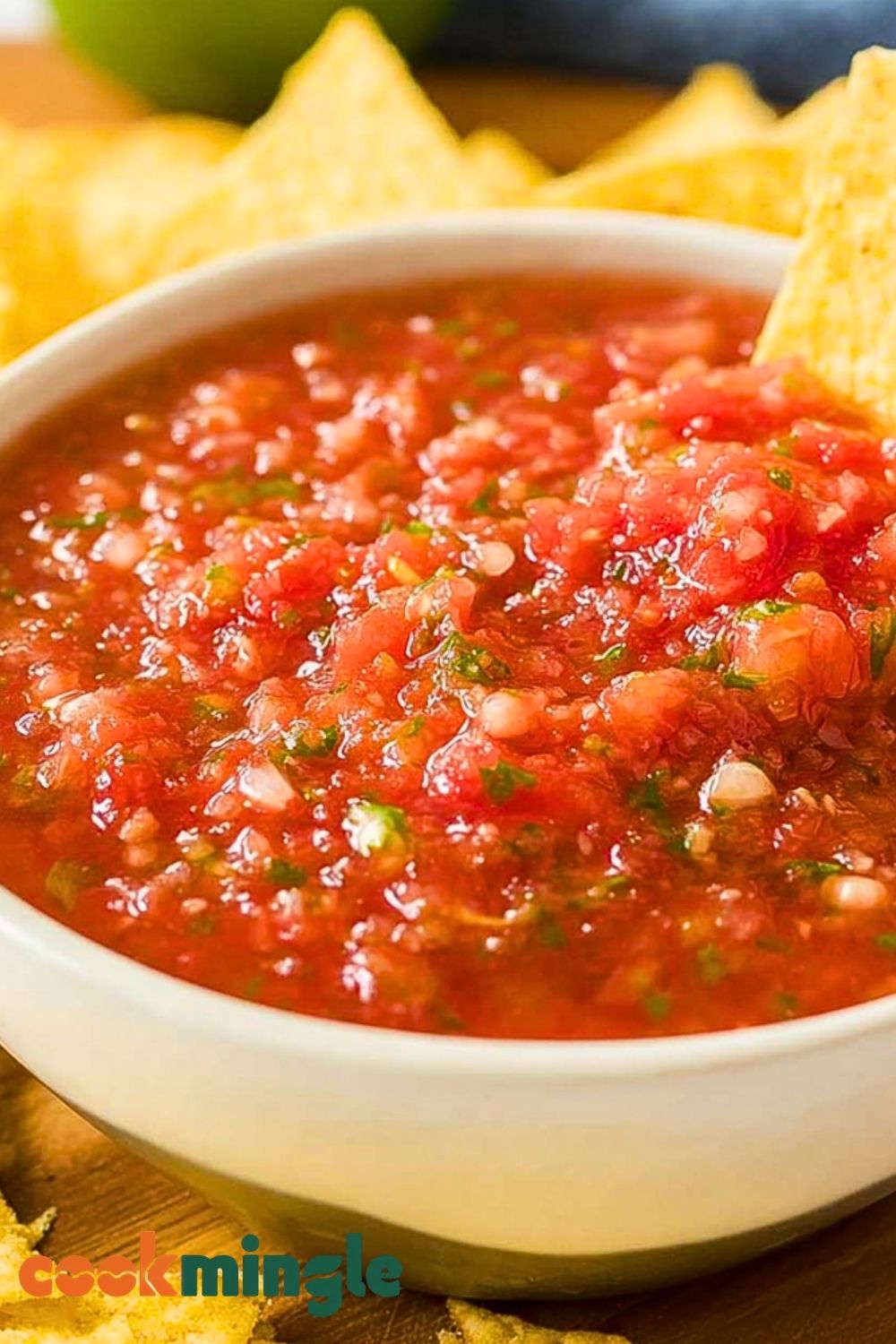
Step 1: Gather and Prepare the Ingredients
Before blending the salsa, gather all the ingredients and prepare them properly. Dice the onion into smaller pieces so it blends evenly. If using fresh tomatoes, wash and core them first.
For the jalapeños, remove the stems and decide how spicy you want the salsa to be. Keeping the seeds creates a hotter salsa, while removing them results in a milder flavor.
Fresh cilantro should be rinsed thoroughly and patted dry before chopping. Fresh ingredients always create the most vibrant flavor.
Step 2: Add Tomatoes to the Blender or Food Processor
Place the tomatoes into a blender or food processor first. This creates the main base for the salsa and allows the other ingredients to blend more evenly.
If you’re using canned whole tomatoes, include some of the liquid because it helps achieve the classic restaurant-style consistency. For thicker salsa, use less liquid.
Pulse the tomatoes briefly before adding the remaining ingredients. This helps prevent over-blending later.
Step 3: Add Onion, Garlic, and Jalapeños
Add the onion, garlic, and jalapeños to the blender. These ingredients create the bold and zesty flavor that makes restaurant salsa so addictive.
Blend in short pulses rather than continuously blending. Pulsing keeps the salsa from becoming too watery and allows you to control the texture.
Taste the salsa after blending to check the heat level. If you want more spice, you can add additional jalapeños or a serrano pepper.
Step 4: Mix in Cilantro, Lime Juice, and Seasonings
Once the vegetables are blended, add the cilantro, lime juice, salt, and cumin. These ingredients brighten the salsa and bring balance to the flavors.
Pulse again a few times until the cilantro is evenly distributed. Avoid over-processing because fresh cilantro tastes best when slightly textured.
The lime juice not only improves flavor but also helps preserve freshness.
Step 5: Adjust the Texture
Restaurant-style salsa is usually smoother and thinner than chunky homemade salsa. If the salsa feels too thick, add a small amount of tomato juice or reserved tomato liquid.
For chunkier salsa, pulse only a few times and leave visible pieces of tomato and onion.
The texture should be easy to scoop with tortilla chips while still holding enough body to cling to the chip.
Step 6: Taste and Adjust the Flavor
Tasting the salsa before serving is one of the most important steps. Sometimes salsa needs a little more salt, lime juice, or spice to reach the perfect balance.
If the salsa tastes too acidic, a tiny pinch of sugar can mellow the flavor. If it feels flat, another squeeze of lime juice can brighten it instantly.
Allow the salsa to sit for several minutes after adjusting the seasonings so the flavors have time to blend together.
Step 7: Chill the Salsa Before Serving
While the salsa can be served immediately, chilling it for at least 30 minutes makes a huge difference. The flavors deepen and become more balanced as the salsa rests in the refrigerator.
Cover the salsa tightly and refrigerate until cold. This also helps improve the texture and creates the refreshing restaurant-style experience.
If making the salsa ahead of time, prepare it several hours in advance for the best flavor.
Step 8: Serve and Enjoy
Serve the Restaurant Style Salsa Recipe with crispy tortilla chips, tacos, burritos, quesadillas, grilled meats, or fajitas.
This salsa also works beautifully as a topping for scrambled eggs, baked potatoes, rice bowls, and grilled vegetables.
For a restaurant-style presentation, garnish the salsa with extra cilantro, diced tomatoes, or a lime wedge before serving.
How Long to Prepare the Restaurant Style Salsa Recipe
One of the biggest advantages of this Restaurant Style Salsa Recipe is how quickly it comes together. Unlike many homemade appetizers or dips that require cooking, roasting, or complicated preparation, this salsa can be ready in just minutes. Most of the time is spent gathering ingredients, chopping a few vegetables, and blending everything together until the texture is just right.
For most home cooks, the preparation time is around 10 to 15 minutes. If you are using canned tomatoes, the process becomes even faster because there’s no need to peel or seed fresh tomatoes. When using fresh ingredients, you may need a few extra minutes for washing and chopping.
The salsa tastes great immediately after blending, but chilling it in the refrigerator for at least 30 minutes makes the flavor even better. During this resting time, the onions, garlic, cilantro, and lime juice blend together and create the bold restaurant-style taste people love.
If you’re making this salsa for a party or gathering, preparing it several hours ahead of time is a smart idea. The longer it rests, the more flavorful it becomes.
Preparation Time
10 to 15 minutes depending on ingredient preparation.
Chilling Time
30 minutes recommended for best flavor.
Total Time
Approximately 45 minutes including chilling.
Difficulty Level
Beginner-friendly and very easy to prepare.
Tips for Perfect Restaurant Style Salsa Recipe
Using quality tomatoes is one of the most important secrets to amazing salsa. Whether you choose canned tomatoes or fresh Roma tomatoes, selecting flavorful tomatoes creates a richer and fresher salsa.
Blend the salsa in short pulses instead of running the blender continuously. This helps control the texture and prevents the salsa from becoming too foamy or watery.
Always taste the salsa before serving. A little extra lime juice or salt can completely transform the flavor and bring balance to the ingredients.
Fresh cilantro makes a huge difference in the final result. If possible, avoid dried cilantro because it lacks the brightness and freshness needed for authentic salsa.
Chilling the salsa before serving helps deepen the flavors. Even a short resting period can make the salsa taste more balanced and restaurant-quality.
If you enjoy smoky flavors, try adding roasted tomatoes or fire-roasted canned tomatoes. This small change adds incredible depth.
For smoother salsa, blend longer and add a little tomato liquid. For chunkier salsa, pulse fewer times and leave some texture.
Using gloves while handling hot peppers can help prevent irritation, especially when working with serrano peppers or extra spicy jalapeños.
Watch Out for These Mistakes While Cooking
One common mistake is over-blending the salsa. Blending too long can create a thin, watery texture instead of the slightly thick consistency found in restaurant salsa.
Adding too much lime juice can overpower the tomatoes and make the salsa taste too acidic. Start with a small amount and adjust gradually.
Using bland tomatoes may result in weak flavor. If your tomatoes lack sweetness, adding a pinch of sugar can help balance the salsa.
Another mistake is skipping the resting time. Fresh salsa needs time for the flavors to combine properly. Serving it immediately after blending may result in a sharper onion or garlic flavor.
Using too much cilantro can overpower the salsa. Cilantro should enhance the flavor, not dominate it.
Adding too much salt at once is another issue. Salt becomes stronger after chilling, so season gradually.
Some people forget to drain excess liquid from fresh tomatoes. Too much moisture can dilute the salsa and make it watery.
What to Serve With Restaurant Style Salsa Recipe?
Tortilla Chips
Crispy tortilla chips are the classic pairing for restaurant-style salsa. The salty crunch perfectly complements the smooth and zesty flavor of the salsa.
Tacos
This salsa adds freshness and bold flavor to beef, chicken, shrimp, or vegetarian tacos. Spoon it over tacos just before serving for the best texture.
Grilled Chicken
Restaurant Style Salsa Recipe works beautifully as a topping for grilled chicken breasts or chicken thighs. The bright acidity balances smoky grilled flavors.
Nachos
Drizzle salsa over cheesy nachos for extra freshness and spice. It helps balance the richness of melted cheese and seasoned meat.
Breakfast Eggs
Salsa is surprisingly delicious with scrambled eggs, omelets, or breakfast burritos. The tomatoes and peppers add brightness to savory breakfast dishes.
Storage Instructions
Fresh homemade salsa should always be stored in an airtight container in the refrigerator. Proper storage helps maintain freshness and prevents the salsa from absorbing other refrigerator odors.
The salsa usually stays fresh for about 4 to 5 days when refrigerated properly. Stir the salsa before serving because some separation may naturally occur over time.
If the salsa develops an unusual smell, watery appearance, or sour taste, it should be discarded.
Refrigerating the Salsa
Store the salsa in a sealed glass container or airtight plastic container. Keeping it tightly covered preserves freshness and flavor.
Freezing the Salsa
Restaurant-style salsa can also be frozen for longer storage. Place it in freezer-safe containers and leave some room for expansion.
Frozen salsa can last for up to 2 months, although the texture may become slightly thinner after thawing.
Thawing Instructions
To thaw frozen salsa, transfer it to the refrigerator overnight. Stir well before serving to redistribute the ingredients evenly.
Estimated Nutrition
The nutritional value of this Restaurant Style Salsa Recipe can vary slightly depending on ingredients and serving size, but it is generally considered a healthy and low-calorie option.
Estimated Nutrition Per Serving
- Calories: 25
- Carbohydrates: 5g
- Protein: 1g
- Fat: 0g
- Fiber: 1g
- Sugar: 3g
- Sodium: 180mg
- Vitamin C: High
- Vitamin A: Moderate
Because salsa is made primarily with vegetables and herbs, it offers freshness and flavor without excessive calories or fat.
Frequently Asked Questions
Can I make Restaurant Style Salsa Recipe without cilantro?
Yes, you can leave out the cilantro if you do not enjoy its flavor. Fresh parsley can be used as a substitute for a milder herbal taste.
How can I make the salsa less spicy?
To reduce the heat, remove the seeds and membranes from the jalapeños or use fewer peppers.
Can I use fresh tomatoes instead of canned tomatoes?
Absolutely. Fresh Roma tomatoes work very well, especially during peak tomato season when they are naturally sweet and flavorful.
Why does restaurant salsa taste smoother than homemade salsa?
Restaurant salsa is usually blended longer and contains a little extra liquid, which creates the thinner consistency commonly served with tortilla chips.
Can I prepare the salsa ahead of time?
Yes, this salsa actually tastes better after sitting in the refrigerator for a few hours because the flavors have time to blend together.
Conclusion
This Restaurant Style Salsa Recipe is proof that simple ingredients can create incredible flavor. With its fresh tomatoes, zesty lime juice, savory garlic, and perfect balance of spice, it delivers the authentic taste of restaurant salsa right from your own kitchen.
What makes this recipe truly special is how quick, versatile, and customizable it is. Whether you like your salsa smooth or chunky, mild or spicy, this recipe can easily be adjusted to match your taste.
From taco nights and game-day snacks to casual family dinners, this homemade salsa fits almost every occasion. Once you try making it yourself, it may become one of those recipes you return to again and again.
Restaurant Style Salsa Recipe
- Total Time: 45 minutes
- Yield: 6 servings
- Diet: Vegetarian
Description
Fresh, vibrant, and incredibly easy to make, this Restaurant Style Salsa Recipe delivers the bold flavors of your favorite Mexican restaurant right at home. With juicy tomatoes, zesty lime juice, garlic, onions, and fresh cilantro blended into the perfect smooth consistency, this salsa is ideal for tortilla chips, tacos, nachos, burritos, and party appetizers. Whether you need a quick snack, easy party dip, healthy appetizer, or flavorful topping for dinner ideas, this easy recipe is packed with fresh flavor and comes together in minutes.
Ingredients
28 oz whole canned tomatoes with juice
10 oz diced tomatoes with green chilies
1/2 cup white onion, roughly chopped
2 cloves garlic
1 whole jalapeño, seeded if desired
1/4 cup fresh cilantro
1 tbsp fresh lime juice
1/2 tsp salt
1/4 tsp ground cumin
1/4 tsp crushed red pepper flakes
2 tbsp tomato juice if needed for consistency
Instructions
1. Add the whole canned tomatoes and diced tomatoes with green chilies into a blender or food processor.
2. Add the white onion, garlic cloves, jalapeño, and cilantro to the blender.
3. Pour in the lime juice and add the salt, cumin, and crushed red pepper flakes.
4. Pulse the mixture several times until the salsa reaches your preferred consistency. For restaurant-style salsa, blend until mostly smooth but still slightly textured.
5. If the salsa is too thick, add tomato juice one tablespoon at a time until the desired consistency is reached.
6. Taste the salsa and adjust the seasoning with additional salt or lime juice if needed.
7. Transfer the salsa to a bowl or airtight container and refrigerate for at least 30 minutes before serving.
8. Serve chilled with tortilla chips, tacos, nachos, burritos, grilled meats, or breakfast dishes.
Notes
Chilling the salsa before serving helps the flavors blend together and creates a more authentic restaurant-style taste.
For a spicier salsa, leave the jalapeño seeds intact or add a serrano pepper.
Pulse the blender instead of continuously blending to prevent the salsa from becoming watery.
- Prep Time: 15 minutes
- Cook Time: 0 minutes
- Category: Appetizer
- Method: Blending
- Cuisine: Mexican
Nutrition
- Serving Size: 1 serving
- Calories: 25
- Sugar: 3g
- Sodium: 180mg
- Fat: 0g
- Saturated Fat: 0g
- Unsaturated Fat: 0g
- Trans Fat: 0g
- Carbohydrates: 5g
- Fiber: 1g
- Protein: 1g
- Cholesterol: 0mg